







Lipid/Metabolic
Calls for testosterone trials in CHD
May 16, 2005 | Lisa Nainggolan

Turku, Finland - A Finnish research team has shown that serum testosterone appears to be inversely correlated with common carotid intima-media thickness (IMT) levels, suggesting that testosterone-replacement therapy might protect against atherosclerosis in men with low physiologic levels of this male hormone.

But randomized controlled trials of testosterone therapy for this purpose are required before wide-scale use of this treatment could be considered, caution Dr Juuso Mäkinen (University of Turku, Finland) and colleagues in their paper in the May 17, 2005 issue of the Journal of the American College of Cardiology.[1]

In an accompanying editorial, Dr Elizabeth Barrett-Connor (University of California, San Diego) says these results suggest that testosterone is not as bad for the heart as had been thought. "Clinical trials of testosterone therapy will be necessary to confirm this idea."


Normal testosterone levels protective against atherosclerosis

The researchers studied 99 generally healthy, middle-aged men who had symptoms of "andropause," including fatigue, low libido, or depression and either low levels of testosterone (<9.8 nmol/L) or high levels of luteinizing hormone (LH) (>6.0 U/L) with normal testosterone levels. Ultrasound measurements of the carotid artery and carotid bulb IMT were compared with the results from 140 men who did not show signs of andropause.

The andropausal men had a higher maximal IMT compared with the controls in both locations. Common carotid IMT correlated inversely with serum testosterone (p=0.003) and directly with LH (p=0.006) in multivariate models adjusted for age, total cholesterol, body mass index, blood pressure, and smoking.

Maximal IMT in carotid artery and bulb of andropausal men vs controls

Measurement
Andropausal men (n=99)
Controls (n=140)
p for comparison
Maximal IMT in carotid artery (mm)
1.08
1.00
<0.05
Maximal IMT in carotid bulb (mm)
1.44
1.27
0.003

To download table as a slide, click on slide logo below

"Our findings confirm that in healthy, middle-aged men, normal testosterone levels are protective against atherosclerosis. Previous studies in elderly men, obese men, and in men with diabetes have similarly suggested that testosterone levels are inversely associated with atherosclerosis," says senior author Dr Olli T Raitakari (University of Turku).

Raitakari says the results indicate that the commonly held view—that estrogen is good for heart health and testosterone is bad—is too simplistic. In addition, he notes that laboratory studies have tended to point toward harmful effects of testosterone, while on the contrary, this study and others in humans show potential benefits.

The evidence overall is starting to show that normal testosterone levels in aging men are good for the heart.


"The evidence overall is starting to show that normal testosterone levels in aging men are good for the heart," he points out.

However, he also acknowledges some limitations of the study—testosterone and IMT levels were measured only once, and the men were not followed over time to see who actually developed symptoms of atherosclerosis or other cardiovascular disease.


The study also found that IMT rose with higher levels of LH—this is the first study to indicate that LH hormone may be linked to atherosclerosis, the researchers note. "The association between LH and IMT is interesting and warrants further study to test the potential causality of this finding," they write.


Sales of testosterone therapy increasing without clinical evidence of benefit

In her editorial, Barrett-Connor says the study was well carried out, apart from the snapshot evaluation of testosterone and IMT. But she points out that only 6% of middle-aged men evaluated had both symptoms of andropause and low levels of testosterone (the 99 andropausal men were selected from an original group of 1764 who met the symptom criteria.)

Nevertheless, she says, this study and others are challenging the belief that the female advantage in terms of coronary heart disease is due to either protective effects of estrogen or harmful effects of testosterone.

"Sales of testosterone 'replacement' therapies to middle-aged men are increasing rapidly," she notes, adding: "It seems urgent to unravel the association between andropause symptoms and testosterone."

It remains to be studied whether these asymptomatic men with hormonal changes are at increased risk of developing cardiovascular disease and whether they would benefit from hormone therapy.

Raitakari told heartwire: "While it's true that the prevalence of andropause is quite low in this age group, around 6%, the prevalence of hormonal changes alone (decline in testosterone or normal testosterone but increased LH) is greater: about 11% in 41-to-50-year-old men, about 24% in 51-to-60-year-old men, and about 31% in 61-to-70-year-old men.

"Presumably, the inverse association between testosterone and atherosclerosis is also present in this larger population of asymptomatic subjects. And it remains to be studied whether these asymptomatic men with hormonal changes are at increased risk of developing cardiovascular disease and whether they would benefit from hormone therapy."

He continues: "I think that it cannot be emphasized enough that these data should not be used as evidence that men will benefit from hormone-replacement therapy. Controlled studies need to be done to show this. I think it is a concern that the sales of testosterone-replacement therapies are increasing without proper scientific evidence of their benefit."

He told heartwire his team does not have any plans at the moment to conduct such a study, but he believes there are trials under way, "although I'm not sure where."

Sources
  1. Mäkinen J, Järvisalo MJ, Pöllänen P, et al. Increased carotid atherosclerosis in andropausal middle-aged men. J Am Coll Cardiol 2005; 45: 1603-1608.
  2. Barrett-Connor E. Andropause and intima media thickness. J Am Coll Cardiol 2005; 45: 1609-1610.


Your comments
Calls for testosterone trials in CHD
# 1 of 2
May 19, 2005 04:02 (EDT)
Patrick Dugan
Conversion to DHT
The risk of testosterone therapy may be the higher converstion rate to DHT. Use of saw palmetto may be of benefit because it acts much like Propecia without the side effects.
# 2 of 2
July 18, 2005 06:22 (EDT)
sidney wolinsky
metabolic syndromeand decreased testosterone
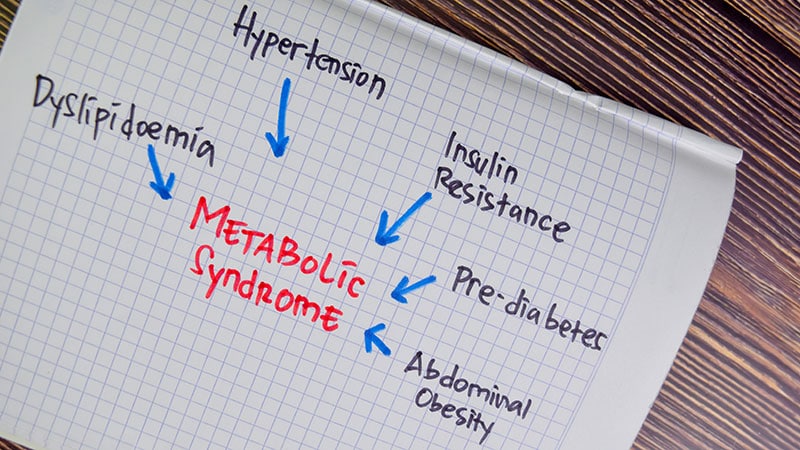
Why are there not any studies on decreased testosterone levels and the metabolic syndrome? Since WC >40cm decreases testoterone levels, changes lipid profiles, increases insulin resistance, leads to NIDDM, CAD, 40% of Diabetics with ED have CAD, and 35% of Diabetics have decreased testosterone levels. It seems like testing for and replacing testosterone would be a key factor.

You have to be logged in to add a comment to this article
Login
Username 
Password 
  Forgot your password?
 
Remember me on this computer
 
Join theheart.org community
Five reasons to become a member of the most trusted source of cardiology news:
1Be part of the conversation in our blogs and discussion forum
2Share your thoughts on our news or educational programs
3Receive exclusive newsletters related to your field of interest
4Access unique continuous medical education content
5See and read what leaders have to say about cardiology today
It is free and it only takes five minutes to join!
 
button
Previews
Featured CME
Inside: Lipid/Metabolic