







Dallas, TX - Creating a true choose-your-poison dilemma for coffee drinkers around the globe, researchers report that drinking decaffeinated coffee may increase LDL levels, while caffeinated coffee ups blood pressure. In a poster presented during the
American Heart Association (AHAA)
Scientific Sessions 2005,
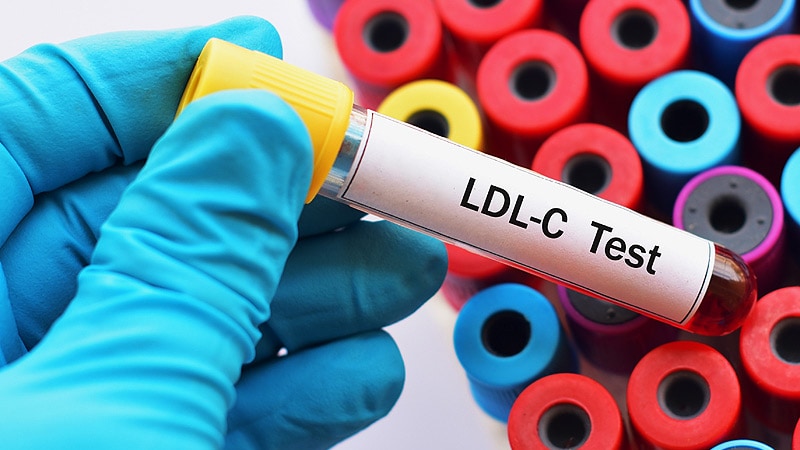
Dr H Robert Superko (Fuqua Heart Center, Atlanta, GA) and colleagues report that compared with subjects drinking regular caffeinated coffee or no coffee, subjects drinking decaf coffee experienced statistically significant increases in LDL.
 |
|
Dr H Robert Superko
|
The results may explain inconsistencies in previous studies, which have produced mixed results as to whether coffee might increase cholesterol levels. Superko believes inconsistent reports in earlier research, including analyses from the Atherosclerosis Risk in Communities, Harvard Physicians Health Study, and Framingham Heart Study, did not distinguish between regular and decaffeinated coffee.
"From our study, we can unequivocally say, caffeinated coffee does not raise cholesterol. We can also unequivocally say that decaffeinated coffee, at least the one we used in this study, does raise cholesterol," Superko told members of the press.
| Blood-pressure effects of caffeine |
|
In research not shown at the AHA meeting, Superko's group has also investigated the effects of decaf and caffeinated coffee on blood pressure. As Superko described in a media briefing, caffeinated coffee appears to increase blood-pressure levels, while decaffeinated coffee has no effect on blood pressure. As with the cholesterol findings, inconsistencies between earlier studies may have stemmed from the fact that researchers typically measured blood pressure in the morning, before the effects of three to five cups of coffee, on average, had accumulated in the bloodstream. Research by Superko and colleagues, using 24-hour blood-pressure monitors, indicated that blood pressure tends to spike between 10 AM and 2 PM and correlates with caffeine levels in the blood.
-SW
|
|
For their cholesterol-effects study, Superko et al chose coffees produced by "the second-largest coffee maker in the US," giving 187 study participants (all of whom were regular coffee drinkers) coffee grounds in blinded bags with specific brewing instructions. After a washout period, study participants were randomized to a decaf, caffeinated, or no-coffee arm for an eight-week period, during which time the coffee-drinkers drank three to five cups of black coffee, without sugar or sweeteners.
Over the eight-week period, the investigators saw no significant changes in triglycerides, HDL, glucose, or insulin, but they did see significant increases in LDL in the decaf drinkers compared with both the caffeinated coffee and no-coffee groups. Levels of ApoB, a protein attached to LDL and believed to be a more accurate predictor of LDL levels, also increased significantly in the decaffeinated-coffee drinkers. Of note, nonesterfied fatty acids (NEFA) also rose in the decaf drinkers compared with the caffeinated and no-coffee groups, although the increase just missed statistical significance.
In an interview with heartwire, Superko speculated that the NEFA increases reflect the higher diterpene content of decaffeinated coffee beans. Most decaffeinated coffee beans, he said, are part of the Robusta species of coffee bean, a bitter bean made palatable during the decaffeination process, he explained. Caffeinated coffee beans, by contrast, are normally from the milder Arabica species, which contain fewer diterpenes.
Superko was careful to emphasize that the findings from his group may or may not extend to all types of coffee and that different decaffeination processes may affect decaf coffee's effects on LDL.
"I think what you can accurately say is that the bean and decaffeination process used by the second-largest coffee maker in the US causes this effect. What I can't say is that if you get Starbuck's decaffeinated Somalia brand you get the same thing. We did that on purpose because there are so many types of coffee; we wanted to pick one that's used by a lot of people."
For physicians and coffee lovers . . .
For physicians encouraging patients to adopt a "lifestyle approach" to either cholesterol or blood-pressure control, "these results could be relevant," Superko said. "They are also going to tell their patients to exercise, lose weight, eat fiber, etc. Each of these things has about a 5% effect, but if you do three, four, or five of them together and suddenly you're down 20% to 30%, that can be really significant."
Still, he stressed, the findings must be kept in perspective. "I don't think there's a health threat to coffeethat's where somebody might overinterpret this," Superko cautioned. "The interesting thing is that there is clearly a caffeinated/decaffeinated difference. One related to cholesterol, one to blood pressure, and it appears to be the fatty acids that drive the lipid effects."
Those who enjoy drinking coffee, he adds, "[should continue to] enjoy drinking coffee. However, if you're concerned about your cholesterol, then look to the decaffeinated coffee as a possible contributor to your high cholesterol. If you are concerned about your blood pressure, then look to your caffeinated coffee as a possible contributor to your high blood pressure."
And, Superko quipped, for those concerned about both: "There's always green tea."
 |
 |
 |
 |
|
 |
 |
 |
 |
 |
|
|
November 17, 2005 10:54 (EST)
|
|
 |
 |
 |
 |
 |
|
coffee confusion will somebody critically analyse the various reports which either blame,or clear the blame on ordinary coffee for acclerating coronary artery disease?
Decaff coffee is the new entrant in this confusing data
|
|
 |
 |
|
|
November 18, 2005 03:14 (EST)
|
|
 |
 |
 |
 |
 |
|
This is not critical... but my belief is that at some point in time we must look at quality of life and not quantity. If we go worrying about this and that and the what-if's, we'll all die of anxiety and anorexia, since we can't eat/drink this or that. The Good Book states everything in moderation, and I will stick to that. Eat wisely, drink your water, exercise daily, play with your kids, kiss your spouse, and get a good amount of sleep. If you can do that, you'll be a happy camper, even if you may die with elevated LDL's or triglycerides! |
|
 |
 |
|
|
November 21, 2005 10:01 (EST)
|
|
 |
 |
 |
 |
 |
|
Depends on how you look at it......... Purroshottam,
This was an interesting poster presentation with a few patient subjects, for a short duration of time (8 weeks). It makes for interesting discussion, but not fodder for life changing decisions.
Tongue in cheek, I told someone that drinking caffeinated beverages would be uniformly fatal for me. I'm certain that my obnoxious behavior is only magnified by caffeine, therefore, someone would likely shoot me rather than put up with me, so decaf is my best option for longevity.
One man's candy is another man's poison.
Melissa |
|
 |
 |
|
|
November 22, 2005 09:13 (EST)
|
|
 |
 |
 |
 |
 |
|
On a lighter note... Melissa,
How do you survive without your daily cup of Joe (shot of java, mug of drug, etc..)?? I know very few physicians who don't drink coffee (myself included). How do you think clearly without this stuff?
|
|
 |
 |
|
|
November 22, 2005 04:03 (EST)
|
|
 |
 |
 |
 |
 |
|
No caffeine for Melissa! Dan,
Trust me on this: Melissa does not need caffeine! She's the most naturally caffeinated person I've ever seen. The thought of Melissa + caffeine is actually quite scary.
:-)
Best,
Larry Husten
|
|
 |
 |
|
|
November 22, 2005 10:32 (EST)
|
|
 |
 |
 |
 |
 |
|
Larry, it could get ugly! You should see the look of shear terror that comes across my husband's face if I come home and say "I accidentally got into some caffeine today honey". He automatically just puts the pillow over his head!! (not sure if that's a suicidal gesture on his part or just a defense mechanism)
Funny story:
In med school, all 114 of us had to be interviewed after our second year by our med school psychiatrist. When it came my turn, she asked me how things were going, did I have anything I thought we needed to address. I thought for a moment and said "Well, I can't sit through any class, I've not been able to finish a movie, stay in a church service, or sit still at all for that matter. I'm just wired all the time, and I have these occasional palpitations.
She asked me if I thought it was anxiety, and I said, well, I don't know, I think I'm just wired. The she said, how about some nerve medication, librium, valium, anything?
To which I replied "how about NO". A bit disappointed at my lack of enthusiasm for a life long benzodiazapine habit, she then backed up and took a history asking " how much caffeine are you drinking?"
That day I had finished a pot of coffee, a couple of mountain dews, a chocolate candy bar and some tea. When she advised that I "decaffeinate" it completely changed my life. What I perceived to be "panic attacks" was just caffeine intoxication or sensitivity.
Seriously
This experience has helped me identify countless pts., usually young females, sometimes males with "panic disorder", chest pain, palpitations, feelilngs of impending doom that went away after they decaffeinate, helping them to get off their beta blockers and lead a life with much less fear. I can safely say that caffeine will not kill you , but it can drive you crazy and costs a lot of health care dollars for needless workups.
Having said that, I think my endogenous caffeine level is a bit low (code STEMI this morning at 5:50am). Think I'll go to bed now and re-caffeinate.
Coffee anyone?
Melissa
|
|
 |
 |
 |
 |
 |