







Woman admitted to hospital for ketoacidosis after following Atkins diet
March 16, 2006 | Michael O'Riordan

New York, NY - An intriguing case report published in the Lancet this week casts a shadow over the highly contentious Atkins diet [1]. In February 2004, Dr Tsuh-Yin Chen (Lenox Hill Hospital, New York, NY) and colleagues admitted a 40-year-old woman to the hospital for ketoacidosis, presumably as a result of following the low-carbohydrate, high-protein diet.

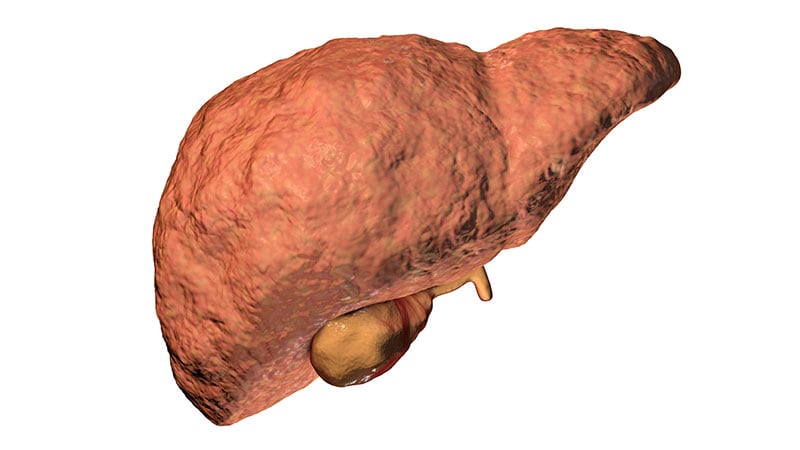
As noted by the doctors, ketones are produced in the liver whenever there is a decrease in insulin during starvation. Low-carbohydrate diets such as Atkins can lead to ketone production, they write, noting that the Atkins diet book recommends regular monitoring for ketonuria to confirm adherence to the diet.

On presentation to the emergency room, the patient was in moderate distress. She had a respiratory rate of 20 to 30 breaths per minute, along with hyperactive bowel sounds and mild epigastric tenderness. The doctors note that the obese woman complained of dyspnea and five days earlier her appetite had decreased. She also felt nauseous and had since vomited four to six times daily.

She told doctors she had been strictly following the low-carbohydrate, high-protein Atkins diet for the past month, eating primarily meat, cheese, and salads. She also adhered to other Atkins recommendations, taking multivitamins, omega-3 fatty acids, electrolytes, and extracts, as well as a "thermogenic" formula. She reported a weight loss of 9 kg over the one-month period.


Ketonuria confirmed

The doctors found her clinical examination to be relatively unremarkable. The anion gap was high at 26 mmol/L and bicarbonate was low at 8 mmol/L. Urine analysis confirmed ketonuria. She was admitted to the ICU and given an infusion of dextrose and sodium bicarbonate. She was discharged four days later and was without health problems three and 18 months later when the doctors spoke with her on the telephone.

Chen and colleagues note that a differential diagnosis of high-anion-gap metabolic acidosis includes the ingestion of methanol, ethylene glycol, or salicylate; L- or D-lactate acidosis; and ketoacidosis due to diabetes mellitus, alcohol, or starvation. The doctors ruled these other causes out, however. Serum was positive for acetone, and -hydroxybutyrate was high at 390 µg/mL, consistent with ketoacidosis.

"Our patient had an underlying ketosis caused by the Atkins diet and developed severe ketoacidosis, possibly when her oral intake was compromised from mild pancreatitis or gastroenteritis," conclude Chen et al. "This problem may become more recognized because this diet is becoming increasingly popular worldwide."

In a Comment [2], Drs Lyn Steffen and Jennifer Nettleton (University of Minnesota, Minneapolis) write that while the Atkins diet boasts of "good health," low-carbohydrate diets are far from healthy, given their "association with ketosis, constipation or diarrhea, halitosis, headache, and general fatigue, to name a few side effects."

They point out that diets increase the protein load to the kidney and alter the body's acid balance. Moreover, long-term weight management for at-risk individuals should be based on increased physical activity and dietary modification, such as increasing intakes of whole grains, fruit, and vegetables. The American Dietetic Association echoes this weight-loss position, they note.

Sources
  1. Chen TY, Smith W, Rosenstock JL, Lessnau KD. A life-threatening complication of Atkins diet. Lancet 2006; 367:958.
  2. Steffen LM, Nettleton JA. Carbohydrates: how low can you go? Lancet 2006; 367:880-881.


Your comments
Woman admitted to hospital for ketoacidosis after following Atkins diet
# 1 of 3
March 17, 2006 08:47 (EST)
Ronald Cameron
Lancet claims Atkins to be caloric restriction diet??
Quote: "her oral intake was compromised from mild pancreatitis or gastroenteritis." A Google search on "starvation ketoacidosis pancreatitis" gives many "hits" showing same clinical picture with cases that make no references to etiology as the "Atkins Diet." Glycogen depletion alone wouldn't cause clinical picture. Symptoms likely triggered by caloric restriction ("starvation') plus possible insulin insufficiency, neither of these having anything to do with Atkins Nutritional Approach. Has anyone at Lancet read the Atkins text??
# 2 of 3
March 17, 2006 10:19 (EST)
Ronald Cameron
Details of case study from Lancet
News releases provide few details and full text is restricted as "premium content." The following provides both missing details and analysis: http://www.commonvoice.com/feedback/default.asp?fbid=1062&feedbackopen=check
# 3 of 3
March 19, 2006 06:08 (EST)
James J. King
Lancet likes to be controversial
Obese patients losing a lot of weight quickly bring its own set of problems. The medical establishment has known for a long time that losing weight quickly is a bad idea. It's not clear from one case the risk benefits of low carbohydrate diets. What is clear is a high carbohydrate /low fat diet has lead to increased obesity in America. Low-carbohydrate, high-protein diets favorably affect body mass and composition independent of energy intake, which in part supports the proposed metabolic advantage of these diets. American Journal of Clinical Nutrition. 83(2):260-74, 2006 Feb.

You have to be logged in to add a comment to this article
Login
Username 
Password 
  Forgot your password?
 
Remember me on this computer
 
Join theheart.org community
Five reasons to become a member of the most trusted source of cardiology news:
1Be part of the conversation in our blogs and discussion forum
2Share your thoughts on our news or educational programs
3Receive exclusive newsletters related to your field of interest
4Access unique continuous medical education content
5See and read what leaders have to say about cardiology today
It is free and it only takes five minutes to join!
 
button
buttonbutton
button
Previews
Featured CME