





New York, NY - In a Christmas Day article, the New York Times reports on the heart surgery of Dr Michael DeBakey (Baylor College of Medicine, Houston, TX), an influential and pioneering cardiac surgeon [1]. While a story about a doctor needing surgery is hardly unique, DeBakey was 97 years old when he underwent the procedure to repair a dissected aortic aneurysma procedure he devised many years agoand his age, as well as his own wishes, sparked an internal drama over how to care for a patient of such an advanced age.
According to reporter Lawrence Altman, DeBakey's surgery is emblematic of the difficulties that often accompany care at the end of life. The case became complicated as DeBakey was in denial about his health and willing to die at one point, refusing to be admitted to the hospital until late January. The case also sparked a debate among his doctors, family, lawyers, and ethics committee over how to treat DeBakey, particularly as the doctor had signed a do-not-resuscitate directive and appeared to not want to have surgery to repair the aneurysm.
While DeBakey's surgery highlights a new cutting edge, where healthy patients in their 90s are now able to survive such proceduresDeBakey is the oldest survivor of the surgerythe operation almost never happened.
Self-diagnosis
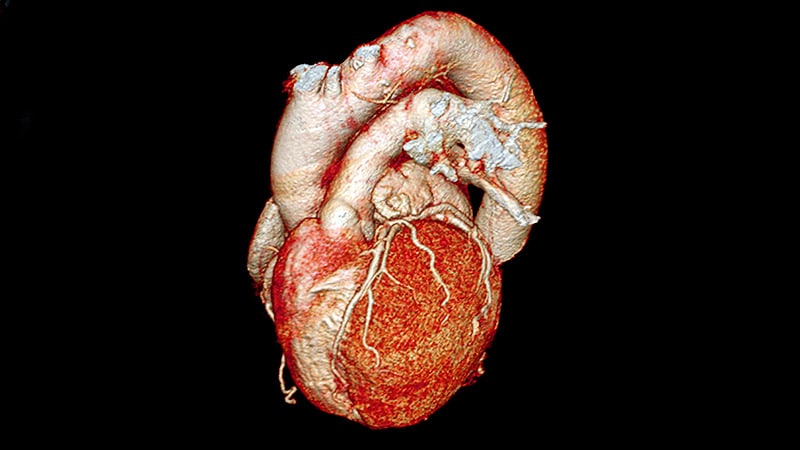
Last New Year's Eve, DeBakey was alone at home in Houston when a sharp pain moved through his upper chest and between his shoulder blades and then into his neck. When his heart kept beating, DeBakey figured he wasn't having a heart attack, and that an aneurysm had weakened and torn the aorta. While a computed tomography (CT) scan later confirmed his diagnosis, DeBakey refused admission to Methodist Hospital, telling the Times that he was hopeful his condition was not as bad he initially believed. He was also worried the operation to treat the aneurysm would leave him mentally or physically disabled.
Instead he chose to receive care at home, hoping the aneurysm might repair itself on its own. For more than three weeks, doctors monitored his blood pressure, making sure it was low enough to prevent rupture, and nurses monitored his meals. In addition, doctors monitored the size of the aneurysm with periodic scans. His health, however, deteriorated, and he later allowed himself to be hospitalized.
By February 9, DeBakey was unresponsive and near death. With the aneurysm enlarging to 7.5 cm, doctors needed to make a decision, opting for surgery. "If we didn't operate on him that day that was it, he was gone for sure," Dr George Noon (Baylor College of Medicine) told the Times. "We were doing what we thought was right," Noon said, adding that only DeBakey's age stood as a barrier to surgery. Family members agreed to the operation.
Dr Bobby Alford, one of DeBakey's physicians and chancellor of Baylor College of Medicine, told the Times that some doctors were worried about the risks of the surgery, saying they were aware of the condemnation that could occur with an unfavorable outcome, with the surgical world criticizing them for performing the surgery in someone so old.
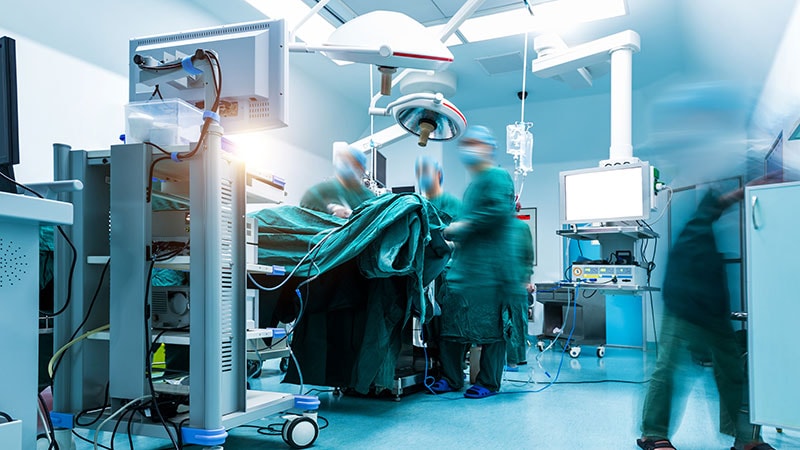
However, even once the family agreed to accept the risks and the doctors agreed to perform the surgery, Methodist Hospital anesthesiologists refused to accept DeBakey as a patient, Altman reports. They cited a form directing he not be resuscitated if his heart stopped, as well as the note in his chart saying he did not want surgery for the dissected aortic aneurysm. And while Dr Salwa Shenaq (Michael DeBakey Veteran Affairs Medical Center), a long-time colleague of DeBakey who works nearby and had Methodist Hospital privileges, agreed to put him under, the ethics committee had not yet decided what to do. After meeting with DeBakey's doctors, and much back and forth over interpreting his wishes, his wife Katrin charged into the room.
"My husband's going to die before we even get a chance to do anythinglet's get to work," she told them.
Doctors cooled DeBakey for part of the surgery to protect his brain and replaced the damaged aorta with a six- to eight-inch graft made of Dacron, one that DeBakey devised in the 1950s. Noon told the Times that many doctors expected the worst, that DeBakey would not survive the surgery or recover. "But he just got better."
DeBakey himself does not remember signing the do-not-resuscitate order and thinks the decision to operate was the right decision, much to the relief of his doctors, since they feared they might have violated his wishes. Despite a difficult recovery, with holes cut into his trachea and stomach to help breathe and eat, dialysis because of kidney failure, and the use of a ventilator for six weeks, DeBakey is now able to walk distances without support, although his main mode of transportation is a motorized scooter.
"I feel very good," he said. "I'm getting back into the swing of things."
- Altman L. The man on the table devised the surgery. New York Times, December 26, 2006. Available at: http://www.nytimes.com.
|
||||
|
|
|
|||
|
|
|
|||
|
|
|
|||
|
|
|
|||
|
|
|
|||
|
|
|
|||
|
|
|
|||
|
|
|
|||
|
|
|
|||
|
|
|
|||
|
|
|
|||
|
|
|
|||
|
|
|
|||
|
|
|
|||
|
|
|
|||
|
|
|
|||
|
|
|
|||
|
|
|
|||
|
|
|
|||
|
|
|
|||


Blinklist
delicious
Digg
Facebook
Furl
Google
LinkedIn
ma.gnolia
Mixx
Reddit
Stumbleupon
Twitter
Y! Bookmarks
Yahoo Buzz