







New York Times takes a look at uncertainties in catheter ablation of atrial fibrillation
July 9, 2007 | Michael O'Riordan

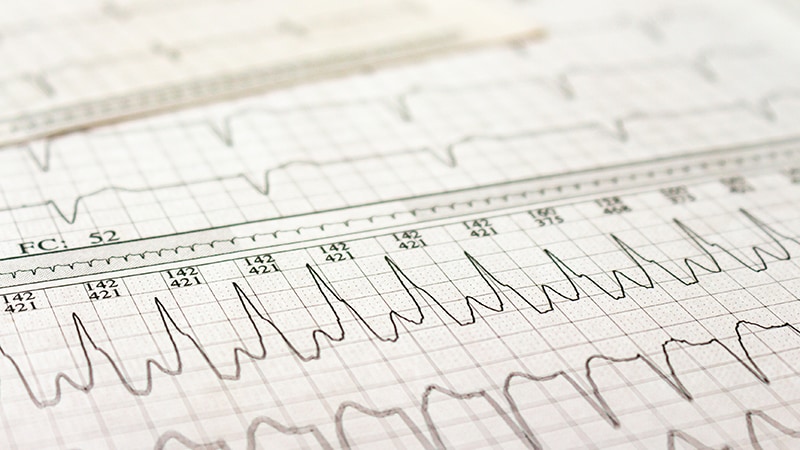
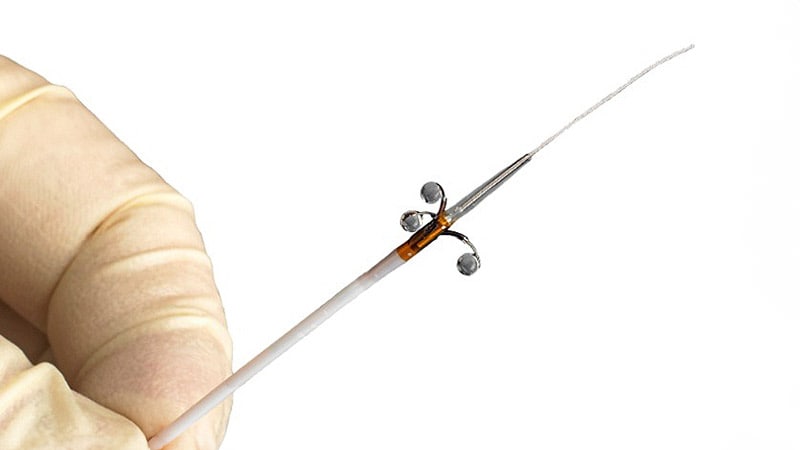
New York, NY - Catheter ablation of atrial fibrillation is in the national spotlight this week as a new report in the New York Times (NYT) highlights the rapid growth of the procedure and its associated costs [1]. With limited long-term clinical data and the use of equipment in an off-label manner, coupled with the expected increase in the prevalence of AF as the population ages, the newspaper says catheter ablation is testing "the ability of regulators to keep up with medical treatments being carried out with scant evidence of long-term effectiveness."

Written by Barnaby Feder, the article, which appeared in the July 7, 2007 issue of the NYT, notes that the FDA has not yet approved the devices used in the catheter ablation of AF, and with this, hospital and doctors struggle to be fully reimbursed for the procedure. "This is one of those areas where the practice of medicine has moved faster than the approval process," Dr Daniel G Schultz (Food and Drug Administration, Rockville, MD) told the NYT. "This is very high on our list of areas that need concerted attention."

Dr Carolyn Clancy, director of the Agency for Healthcare Research and Quality, noted that any situation where off-label therapies are used as frequently as they are in AF "spotlights where we lack good evidence of which patients can benefit from which therapies." Although such off-label use is legal, doctors and hospitals often run into roadblocks with reimbursement (payments fall short of full compensation), and insurance companies are sometimes reluctant to cover it, mainly because healthcare providers might have less legal protection should something go wrong, writes Feder.

In addition, although clinical trials have shown ablation to be effective in eliminating AF in the short term, long-term evidence is scant, Feder writes. Still, despite what's missing, a consensus statement, developed by the Heart Rhythm Society, the European Heart Rhythm Association (EHRA), and the European Cardiac Arrhythmia Society (ECAS), in collaboration with the American College of Cardiology, the American Heart Association, and the Society of Thoracic Surgeons, has been drafted to standardize the procedure and define patient indications [2].

Feder reports that estimates of the potential market for AF devices in the next decade range from $1.5 to $5 billion, with projections including the cost of various diagnostic and mapping technologies. The number of ablation procedures would surge if the time needed could be reduced and insurance coverage were easier to obtain, he adds. Even with the uncertainties, many electrophysiologists are not hurting for work. Dr Andrea Natale (Cleveland Clinic, OH) told the NYT that he is booked into 2008 and there is a waiting list of four to six months for other electrophysiologists working at the hospital.

The report goes on to highlight the drawbacks of drug therapy for AF, with Dr Mark Connolly telling the paper that the "medications to control it are nasty drugs. Many patients don't tolerate them well, especially if they are active."

Sources
  1. Feder BJ. Heart therapy strains efforts to limit costs. New York Times, July 7, 2007. Available at www.nytimes.com.
  2. Calkins H, Brugada J, Packer DL, et al. HRS/EHRA/ECAS expert consensus statement on catheter and surgical ablation of atrial fibrillation: Recommendations for personnel, policy, procedures, and follow-up. Heart Rhythm Society 2007. Available at www.hrsonline.org/News/Media/press-releases/upload/HR-and-Euro-Copy-for-Print.pdf.


You have to be logged in to add a comment to this article
Login
Username 
Password 
  Forgot your password?
 
Remember me on this computer
 
Join theheart.org community
Five reasons to become a member of the most trusted source of cardiology news:
1Be part of the conversation in our blogs and discussion forum
2Share your thoughts on our news or educational programs
3Receive exclusive newsletters related to your field of interest
4Access unique continuous medical education content
5See and read what leaders have to say about cardiology today
It is free and it only takes five minutes to join!
 
button
Previews
Featured CME