







FDA warns doctors, consumers about red yeast supplements found to contain lovastatin
August 14, 2007 | Shelley Wood

Rockville, MD - The FDA is warning physicians and consumers to steer clear of several cholesterol-lowering supplements that contain what the FDA terms "unauthorized" lovastatin [1].

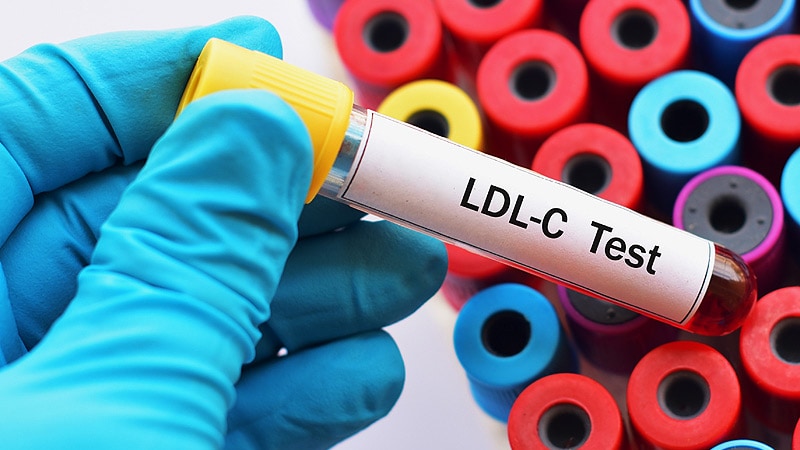
FDA testing revealed that several brands of nonprescription "red yeast rice extract" supplements, marketed as Red Yeast Rice, Red Yeast Rice/Policosonal Complex, and Cholestrix, contained lovastatin, a regulated prescription drug. In a MedWatch safety alert, the FDA tells consumers to "avoid using" the products because they "may contain an unauthorized drug that could be harmful to their health." Not mentioned in the FDA alert is the fact that lovastatin, marketed as Mevacor, first isolated from a fungus, also occurs naturally in certain forms of red yeast rice that are made when rice is cultivated with the mold Monascus purpureus. Red yeast rice has been used in traditional Chinese medicine for centuries to promote blood circulation and digestion. In 1998 the FDA banned the sale of a red yeast supplement, Cholestin, because it contained lovastatin; the supplement was later permitted to be sold, but without red yeast rice.

In the products that the FDA is currently targeting, lovastatin is not named in the list of product ingredients. The products are manufactured by Nature's Value Inc, Kabco Inc, and Sunburst Biorganics, respectively, and sold over the internet by the manufacturers, or in the case of Red Yeast Rice, by Swanson Healthcare Products.

An earlier version of this story, which suggested lovastatin had been "illegally" added to the supplements, provoked a flurry of emails, urging a closer look at the history of the product and the FDA's handling of naturally occurring lovastatin. Most of the physicians who contacted heartwire pointed out that it was a legitimate move on the part of the FDA to alert physicians to the possibility that lovastatin dosages may be boosted if patients are taking red yeast rice on top of a statin and to the possibility that patients taking the supplement may experience the known side effects of statin drugs. But most also pointed out that the dose of lovastatin in red yeast rice is likely to be significantly lower than that of prescription lovastatin, now a generic drug in the US.

The FDA's Medwatch alert notes that lovastatin can cause severe muscle problems leading to kidney impairment. "The risk is greater in patients who take higher doses of lovastatin or who take lovastatin and other medicines that increase the risk of muscle adverse reactions such as nefazodone (an antidepressant), certain antibiotics, drugs used to treat fungal infections and HIV infections, and other cholesterol-lowering agents," an FDA press release states. "Consumers who use any red yeast rice products should consult their healthcare provider if they experience any problems that may be due to these products."

Under the US Dietary Supplement Health and Education Act of 1994, the manufacturer of a supplement is responsible for ensuring that its product is safe prior to going on the market, but it does not need to register its product with the FDA, get FDA approval, submit its product to preapproval testing, or even prove that the product contains the ingredients listed. The FDA can take action postmarketing against any unsafe dietary supplement after it reaches the market.

Source
  1. FDA. 2007 safety alerts for drugs, biologics, medical devices, and dietary supplements: Red Yeast Rice, Red Yeast Rice/Policosonal Complex, Cholestrix. August 9, 2007. Available at: http://www.fda.gov/medwatch/safety/2007/safety07.htm#redyeast.


Your comments
FDA warns doctors, consumers about "red yeast" supplements found to contain lovastatin
# 1 of 7
August 13, 2007 07:24 (EDT)
Melissa Walton-Shirley
Ahhhhh......it all makes sense now
He's now in his late 50's, a miracle in and of itself. Having suffered his first MI at age 39, prior to our meeting, with a total occlusion of his LAD and no significant reperfusion of it , we've navigated the years with the use of CABG, PCI's and last year, an AICD. Sadly, he gave up his Harley last year but not on my advice. I still see him as that younger fellow that relocated to our area "looking for a cardiologist". He has asthma and intermittant afib and transaminase levels elevate to the 300's range on statin therapy., though we've been On more than OFF over the last 15 years or so.
Exasperated with the on again off again statin shuffle, I finally decided to bring him in for a last ditch effort with my unproven but often efficacious MWF regimen of Crestor 5mg when he presented me with his new lipid profile "off statins".
One look and I proclaimed, IT"S A MIRACLE!!". Serum total chol 170, LDL below 100 and LFT's normal . "Nope", no miracle he replied, "Red Yeast Rice Extract".
Astounded, I determined that after rounds Saturday, I'd do a little research. Then, clicking on the heart.org , Shelley Wood's article on RYR extract told the tale.
Game up?
Wait, maybe there is something to the combination? absorption issues? improved efficacy at less lovostatin dose?
Whatever it is, I'd like to know the exact formula. Also, my curiosity has peaked. How did the FDA come to get involved with this? It's like pulling teeth sometimes to get anyone interested in anything labled as a "supplement".
For now, as long as his LFT's are OK and as long his lipids are great, I'm keeping him on it , at least for now.
Red Yeast Rice extract indeed...........sometimes things really are just too good to be true.
Melissa
# 2 of 7
August 13, 2007 08:59 (EDT)
James J. King
Hard to get
Red yeast rice (Monascus purpureus) extract has been sold as a Nutraceuticals cholesterol-lowering agent in over the counter supplements, such as Cholestin TM Cholestin used to contains a large number of monacolins, ie, compounds of the statin class. Approximately three-quarters of the total complement of statins is monacolin K also known as lovastatin.

However, there has been legal and industrial dispute as to whether red yeast rice is a drug or dietary supplement, involving this manufacturer, the U.S. Food and Drug Administration (FDA) and the pharmaceutical industry.

Tang Dynasty in 800 AD and the ancient Chinese pharmacopoeia suggest it to be taken internally to remove "blood blockages". In 1998, the US district court in Utah allowed a product containing red yeast rice extract known as Cholestin™ to be sold without restriction, but this was reversed on appeal in 2001.. As late as August 2007, FDA noted supplements were being sold containing significant lovastatin levels. The FDA is on the war path to protect Americans from “Red Rice”.
# 3 of 7
August 14, 2007 07:40 (EDT)
Melissa Walton-Shirley
A pharmaceutical Da Vinci Code
Where's Tom Hanks when you need him?

James,
It seems that this revelation has now sent up a flare that can't or shouldn't be ignored. IF we can lower LDL with LESS LFT aggravation or better tolerance, we need to put this to clinical trial NOW and look at outcomes and safety. I'm a little disgusted that I'm just now learning this information. Seems this should have been published early on instead of swept under the rug and a number of trials should have spun off this information.
Or have they? Shouldn't there be some information buried in the early development of lovostatin that could prove useful?
This is fascinating and a little worrisome with regard to all that we truly DON't know about drug derivation and development.
Melissa
# 4 of 7
August 22, 2007 01:48 (EDT)
D Hackam
article
"This is fascinating and a little worrisome with regard to all that we truly DON't know about drug derivation and development."

If you'd like it by email, I will send you a copy of an article about the history and development of statins. Published recently in Atherosclerosis supplements.
# 5 of 7
August 22, 2007 08:12 (EDT)
Melissa Walton-Shirley
GREAT!
Dan, would love it. You can send it to: tshirley@glasgow-ky.com OR you can fax it to 270-651-7205. I'll read it then perhaps we can discuss it here on this post.
I've learned a lot since this red yeast rice topic came up.
Melissa
# 6 of 7
August 24, 2007 08:25 (EDT)
D Hackam
sent
i sent it to your email address
# 7 of 7
August 24, 2007 09:16 (EDT)
Melissa Walton-Shirley
Thanks!!!
Thanks Dan. I'll read it then perhaps we can discuss it here on the forum. Probably will be after the ESC as I'm in and out of the city and the country until then. Really appreciate it . At the first scan I gave it , it looked fascinating!!!
Melissa

You have to be logged in to add a comment to this article
Login
Username 
Password 
  Forgot your password?
 
Remember me on this computer
 
Join theheart.org community
Five reasons to become a member of the most trusted source of cardiology news:
1Be part of the conversation in our blogs and discussion forum
2Share your thoughts on our news or educational programs
3Receive exclusive newsletters related to your field of interest
4Access unique continuous medical education content
5See and read what leaders have to say about cardiology today
It is free and it only takes five minutes to join!
 
button
Previews
Featured CME