









Interventional/Surgery
First in-human percutaneous closure of PFO without implant
September 26, 2007 | Lisa Nainggolan

Frankfurt, Germany - A new study shows that transcatheter closure of patent foramen ovale (PFO) using radiofrequency energy rather than implanting a device is feasible and safe in humans [1].

However, the closure rates obtained were lower than those seen with transcatheter implant devices, and improvement of the technique is needed, say Dr Horst Sievert (Cardiovascular Center, Frankfurt, Germany) and colleagues in their report, published online September 24, 2007 in Circulation.

They have now made modifications to the system used and plan to try to improve the closure rates obtained with this approach in future studies.


An appealing concept

The researchers explain that although studies of percutaneous closure of PFO with a variety of implant devices have been promising, disadvantages exist with a foreign structure that remains within the heart. Potential complications associated with such devices include thrombus formation, device erosion, and/or embolization and atrial fibrillation.

The concept of closing the PFO without leaving any foreign material behind is appealing.

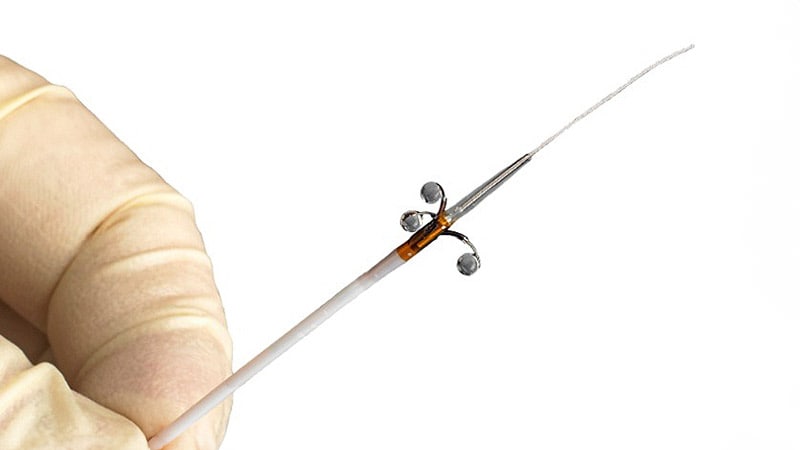
The new percutaneous technique involves the application of radiofrequency energy in the right atrium to weld together the tissues of the PFO—the septum primum and the septum secundum—thereby closing the PFO without leaving an implantable device in the heart. The delivery catheter remains entirely within the right atrium, minimizing risks associated with devices in the left atrium.

"The concept of closing the PFO without leaving any foreign material behind is appealing to physicians and patients because it may mitigate the risks associated with an implant," say Sievert et al.

Following animal experiments to demonstrate the technical feasibility of the concept, Sievert and colleagues embarked on the first in-human experience at their center, attempting to close the PFOs of 30 patients with cryptogenic stroke or transient ischemic attack (TIA) with the PFx-15 closure system (Cierra Inc, Redwood City, CA).


Further studies needed

They achieved PFO closure in 43% of patients after the first procedure; a second procedure was performed in nine patients. Including the secondary procedures, PFO closure occurred in 63% of patients, which is well below the PFO closure rate seen with transcatheter implant devices—that generally exceeds 90%, they observe. But adverse events were minor and without clinical sequelae, and there were no reports of thrombus formation or atrial fibrillation during follow-up.

Because of the poor closure rate, the investigators modified their technique over the course of the study to improve positioning—including changing the geometric shape of the electrode and the angle of the guidewire exit lumen and limiting the maximum PFO diameter to 10 mm. Six patients were enrolled after these modifications were implemented, and five (83%) were deemed to have a closed PFO on the basis of a six-month echocardiogram. This 83% PFO closure rate was thus more comparable to the rates seen with transcatheter implant devices, they note

"These modifications, although implemented toward the end of the study, appear to have had a positive impact on the procedure and closure results and will be further evaluated in future studies," they note. In addition, the PFx-15 system will need to be compared in a randomized trial with permanently implanted transcatheter devices, they conclude.

Sievert is a consultant for Cierra Inc, which sponsored this study. The remaining authors report no conflicts.

Source
  1. Sievert H, Fischer E, Heinisch C, et al. Transcatheter closure of patent foramen ovale without an implant Initial clinical experience. Circulation 2007: DOI: 10.1161/CIRCULATIONAHA.107.696310. Available at: http://circ.ahajournals.org.


You have to be logged in to add a comment to this article
Login
Username 
Password 
  Forgot your password?
 
Remember me on this computer
 
Join theheart.org community
Five reasons to become a member of the most trusted source of cardiology news:
1Be part of the conversation in our blogs and discussion forum
2Share your thoughts on our news or educational programs
3Receive exclusive newsletters related to your field of interest
4Access unique continuous medical education content
5See and read what leaders have to say about cardiology today
It is free and it only takes five minutes to join!
 
button
Previews
Featured CME
Inside: Interventional/Surgery