







|
Dr Peter R Kowey
|
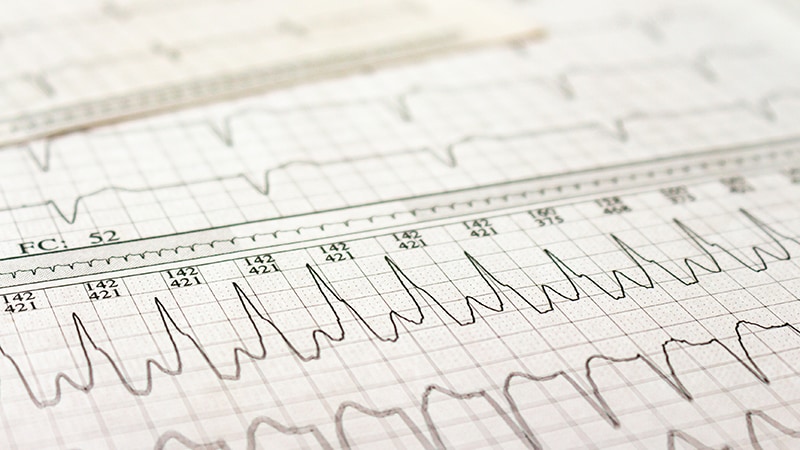
Vernakalant (previously RSD1235) is a an antiarrhythmic that blocks early-activating K+ channels and frequency-dependent Na+ channels; in the previous ACT I trial, the drug was significantly better than placebo in converting recent-onset acute atrial fibrillation to sinus rhythm within 90 minutes of infusion in nonsurgical patients, as previously reported by heartwire. ACT II was designed to look specifically at patients who developed AF or atrial flutter following CABG or valvular surgery, a sizable group: ACT II investigators estimate that up to 40% of patients develop these arrhythmias following cardiothoracic surgery.
As Kowey told heartwire, beta blockers are used in this population to prevent atrial flutter or fibrillation from developing. "But once it's occurred, there are very few drugs available that work well, and quickly," he said. In ACT II, rate-control drugs were permitted, and Kowey called this a "reasonable" strategy, as long as patients aren't having severe symptoms and are protected against thromboembolism.
At the end of ACT II: Significant differences
ACT II enrolled 190 patients who had undergone CABG or valvular surgery within seven days and who had developed AF or atrial flutter within 24 hours of surgery. Patients were randomized to either vernakalant or placebo in a 2:1 fashion. The primary efficacy end point of the study was conversion to sinus rhythm (lasting at least one minute) within 90 minutes of first exposure to the study drug; secondary end points assessed time to conversion and percentage of conversion lasting at least one minute.
As Kowey et al report, the proportion of vernakalant-treated patients converting from AF or atrial flutter to sinus rhythm within 90 minutes was significantly greater than that of placebo-treated patients. Median time to conversion was 12 minutes, as opposed to the more randomly distributed time to conversion among the minority of placebo-treated patients who did indeed develop normal rhythm. In all, 75% of those who were converted successfully did so after the first dose of the drug: according to the study protocol, patients were given a first infusion of vernakalant or placebo within the first 10 minutes of randomization at a dose of 3 mg/kg. This was followed by a second infusion of 2 mg/kg between 25 and 35 minutes postrandomization if patients were still in AF/atrial flutterjust 25% in this study.
ACT II: Safety and efficacy results
|
End point
|
Placebo (%)
|
Vernakalant (%)
|
p
|
|
Conversion of AF/atrial flutter to sinus rhythm within 90 min
|
15 |
45 |
0.0002 |
|
Conversion of AF to sinus rhythm within 90 min
|
14 |
47 |
0.0001 |
|
Discontinuation due to adverse events
|
0 |
3 |
|
|
Serious adverse events
|
11 |
9 |
|
|
Any adverse events
|
44 |
57 |
|
Among those successfully converted to sinus rhythm, 60% remained in sinus rhythm for 24 hours, and 57% remained as such for seven days. Kowey emphasized that most postsurgery patients who convert from AF or atrial flutter to sinus rhythm tend to remain in sinus rhythm, but even if they don't convert, he has previously published data indicating that most people who develop post-cardiac surgery atrial arrhythmias tend to be back in normal rhythm within four to six weeks.
"The key issue is safety and cost: if a drug is not terribly expensive and it's safe, then it's something to try. If it doesn't work, you can move on to something else, but in most patients for whom it does work, it represents a distinct advantage in terms of getting rid of the arrhythmia quickly," he said. "The reason this is important is that when you have AF, it can cause some symptoms, some hemodynamic compromise, and it tends to keep people in the hospital longer. The other thing it does is that it may mean that doctors have to use anticoagulants, and surgeons don't like using anticoagulants in people who have fresh surgery. So for all those reasons, it would be a good thing to get rid of AF if you could, but if you couldn't, or if it came back for some reason, it's not the end of the world because it is self-limited."
No safety issues
There were no deaths in the trial, and drug discontinuations, serious adverse events, and any adverse events were comparable between the placebo-treated and vernakalant-treated patients.
"Of concern whenever you're using a drug that has electrical effects is whether or not it promotes arrhythmia or promotes heart failure, heart block, hypotension, or noncardiac safety issues," Kowey reminded heartwire. "In this particular study of cardiac-surgery patients, it appeared to be very well-tolerated, with not much in the way of adverse effects that were different from what we saw in the placebo-treated patients."
The FDA's cardiovascular and renal drugs advisory committee will review the data on vernakalant, both for surgical and nonsurgical use, on December 11, 2007. Asked about the upcoming review, Kowey said that the consistency of the safety and efficacy results for vernakalant across all the trials has been "remarkable."
That said, "the proof's in the pudding," Kowey said. "The FDA is going to slice and dice it and chew on it and the advisory panel will have the chance to weigh in. . . . We're obviously hopeful that we'll have new things to help our patients, but we want to make sure that they're safe and effective."
|
Kowey disclosed receiving honoraria and being a consultant, advisory board member, and speaker's bureau member for Cardiome Pharma Corp and Astellas Pharma US. Several coauthors on the paper had similar conflicts.
|
|
||||
|
|
|
|||
|
|
|
|||