







Lipid/Metabolic
Living near airports boosts nighttime blood pressure, but so do snoring and traffic
February 15, 2008 | Shelley Wood

Sophia Antipolis, France - New research linking the effects of nighttime noise on blood pressure has found that people living near airports experience both chronic and acute blood-pressure increases in response to aircraft sounds, even during sleep [1]. A new analysis from the Hypertension and Exposure to Noise Near Airports (HYENA) study, published online February 12, 2008 in the European Heart Journal, suggests that blood pressure spikes not only in response to aircraft sounds, but also traffic or indoor sounds of the same intensity.

From my point of view, the more risk factors you can eliminate, the better.

Earlier findings from the HYENA study found that risk of hypertension was increased with long-term noise exposure, with higher blood-pressure values corresponding to higher-intensity and more frequent noise events. This analysis included a larger sample of nearly 5000 subjects living near one of the six major European airports and appears online in Environmental Health Perspectives [2].

In the European Heart Journal paper this week, Dr Alexandros S. Haralabidis (National and Kapodistrian University of Athens, Greece) and colleagues looked specifically at nighttime blood-pressure increases in response to discrete noise events in a smaller group of volunteers.


Blood pressure lifts off, with flight sounds

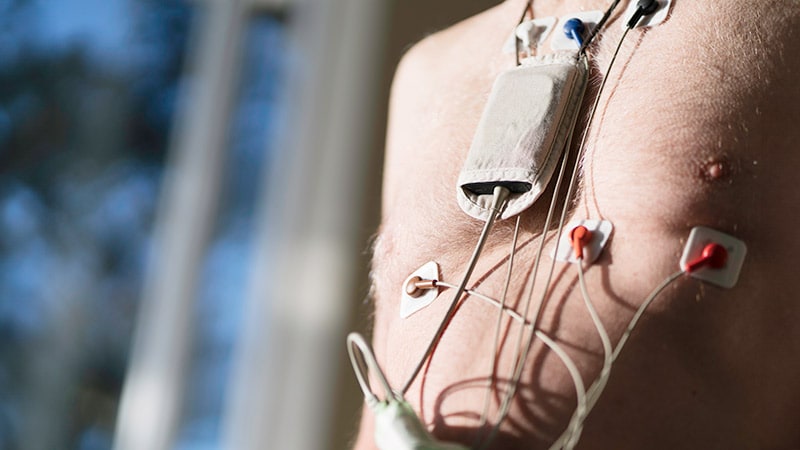
For the study, 140 volunteers living near the airports of Athens (Greece), Malpensa (Italy), Arlanda (Sweden), and Heathrow (UK) wore blood-pressure monitors that checked their blood pressure at 15-minute intervals throughout the night. Noise levels were recorded by specialized devices, with a noise event defined as LAmax>35 dB. MP3 recorders were used to identify the source of the noises throughout the night, enabling researchers to link specific noises to blood-pressure increases.

The authors report that systolic blood pressure increased by a mean of 6.2 mm Hg and diastolic by a mean of 7.4 mm Hg within 15 minutes of an "aircraft event," but that other sources of noise, including traffic sounds and indoor noise—mostly snoring—also produced blood-pressure spikes. Of note, the noise levels studied in this analysis are below levels that tend to actually wake people from sleep, meaning that the noises were affecting blood pressure at a subconscious level. Earlier studies in animals had suggested that blood-pressure responses could occur during sleep or anesthesia, but this has not been previously shown in humans, senior author on the study, Dr Lars Järup (Imperial College London, UK), told heartwire.

Järup emphasized that the study is just one of a growing body of literature assessing the impact of noise and other stressors on cardiovascular health and public health generally. The World Health Organization, he noted, is currently evaluating all the literature on aircraft noise and health and is planning to publish the results of its analysis later this year. The HYENA investigators have also collected stress hormones, found in saliva samples, from their study volunteers and are planning to examine the link between physiological stress markers and blood pressure.

Järup adds that clinicians should be aware that nighttime noise might be yet another culprit in driving up blood-pressure levels. "Clinicians, and cardiologists in particular, are already very aware that there are many different risk factors for hypertension and this is just one. It's probably fair to say that other risk factors may be more important; however, it's critical for us to pinpoint what proportion of risk this conveys. From my point of view, the more risk factors you can eliminate, the better, and this is one of them."

From a health-policy level, he added, "it would make sense to have more restrictions on nighttime flights, when blood-pressure responses to aircraft noise are greatest." Some of the airports in Europe have already limited their night flights, he pointed out.

Sources
  1. Haralabidis AS, Dimakopoulou K, Vigna-Taglianti F, et al. Acute effects of night-time noise exposure on blood pressure in populations living near airports. Eur Heart J 2008; DOI:10.1093/eurheartj/ehn013. Available at: http://eurheartj.oxfordjournals.org.
  2. Järup L, Babisch W, Houthuijs D, et al. Hypertension and exposure to noise near airports: the HYENA study. Environ Health Perspect 2008; 116:329-333. DOI:10.1289/ehp.10775. Available at: http://www.ehponline.org/docs/2007/10775/abstract.html.


You have to be logged in to add a comment to this article
Login
Username 
Password 
  Forgot your password?
 
Remember me on this computer
 
Join theheart.org community
Five reasons to become a member of the most trusted source of cardiology news:
1Be part of the conversation in our blogs and discussion forum
2Share your thoughts on our news or educational programs
3Receive exclusive newsletters related to your field of interest
4Access unique continuous medical education content
5See and read what leaders have to say about cardiology today
It is free and it only takes five minutes to join!
 
button
Previews
Featured CME
Inside: Lipid/Metabolic
Lipid/Metabolic
5 COMMENTS - Jan 27, 2009 15:53 EST
Reducing CV Risk: What Add-On Therapies Do You Use? Click to take the survey and compare answers. The results will help us create future CME programming