







VA Diabetes Trial shows that intensive glucose control has little effect on cardiovascular risk
Editor's note:An earlier version of the story erroneously linked rosiglitazone to excess deaths in ACCORD. This mistake has been corrected in this version.
San Francisco, CA - A long-term trial in 1791 US veterans found no reduction in the risk of cardiovascular disease in patients with type 2 diabetes subjected to intensive blood glucose control. Reported here June 8, 2008 in a symposium at the
American Diabetes Association (ADA)
2008 Scientific Sessions, the results echoed those of two other major trials
ADVANCE and
ACCORDfinding that blood sugar lowering had no significant benefit in terms of decreasing CVD risk.
Participants in the Veterans Affairs Diabetes Trial (VADT) were 97% male, with an average age of 60 years at the time of study entry. Participants were assigned to standard or intensive blood glucose treatment groups. Average period of follow-up for individual patients was 6.25 years. VADT lasted 7.5 years, closing in May 2008.
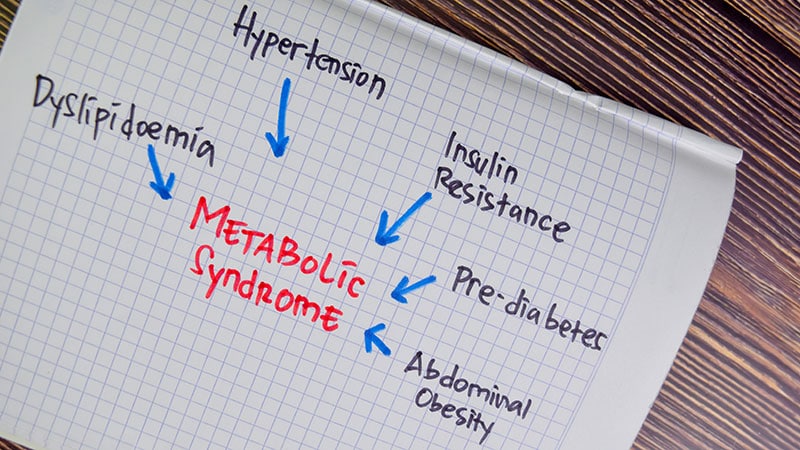
VADT focused on patients who had not been helped by simpler therapies. At the time of enrollment, more than 40% of the participants had experienced previous cardiovascular events, more than 50% had abnormal lipids, 80% had high blood pressure, and most were obese.
The study was designed to eliminate variables other than blood glucose levels in both treatment groups by controlling blood pressure and lipids, improving diet and exercise, and treating with aspirin. The primary focus of glycemic control was to reduce CVD events, including stroke, MI, severe congestive heart failure, bypass surgery, amputations resulting from vascular insufficiency, and death from CVD. Secondary end points (microvascular events) will be analyzed and reported later this year.
VADT participants were a higher-risk population than those enrolled in the two other major trials. "[Their A1c levels] averaged 9.5%, when a normal A1c is 6%," said Dr William C Duckworth (University of Arizona, Tucson), cochair of the trial, in an ADA press release.
The majority of patients received several oral drugs, and 90% of participants in the intensive group and 74% of the standard group took insulin during most of the trial. Rosiglitazone was used in 72% of the intensive group and 62% of the standard group by year 3 of the trial; metformin was more commonly used in obese patients, and glimepiride in nonobese patients. Drug use varied over the course of the trial to maintain the established A1c levels. VADT found no increase in deaths associated with use of rosiglitazone.
Average A1c was reduced to 6.9% in the VADT intensive group and 8.4% in the standard group. Once achieved, these A1c levels were maintained for the duration of the trial, providing enough difference between the standard- and intensive-group A1c that its effect should have been evident. Nevertheless, blood sugar reduction was not found to have a significant effect in reducing CVD events.
"For intensive glucose control to yield a significant benefit on cardiovascular risk reduction, you may have to do it early," Duckworth observed. In a population such as this, with prior CVD, many risk factors, and long-term glucose control problems, "you cannot expect benefits from glucose control in the short term. . . . You can't expect miracles," he said.
Despite the nonsignificant relationship between glycemic control and cardiovascular events, both treatment groups had far fewer CVD events than predicted: 263 in the standard-treatment group and 231 in the intensive-treatment group. The predicted total of CVD events was from 650 to 700. This decrease was attributed to careful control of factors other than blood glucose.
A less publicized but highly significant finding of the VADT was presented by Dr Peter Reaven (University of Arizona). In this ancillary study, vascular calcium levels provided a good estimate of baseline atherosclerosis in many VADT subjects, and the baseline level of atherosclerosis is important in determining future CVD events.
Reaven explained these findings in an email. "The baseline level of atherosclerosis also influenced the response to tight glycemic control. . . . Baseline level of coronary calcium was the strongest determinant of future CVD outcome," he said, "and interestingly, intensive glycemic treatment appeared more favorable in those with less advanced disease. This appears to reflect the results in the larger VADT population, where those with less duration of diabetes seemed to gain benefit from tight glycemic control."
Reaven noted that this finding supports the results of ACCORD, which suggested some benefit of intensive glycemic control in patients with no previous CVD event.
In an email, Dr John B Buse (North Carolina School of Medicine in Chapel Hill), president, medicine and science, of the ADA, stated: "The unique finding [of VADT] was reported by Peter Reavennamely, that in those with the least burden of CVD, at least as assessed by coronary artery calcium, there did seem to be a suggestion of benefit to more intensive therapy."
Reaven summarized: "Overall, these data suggest that identifying those individuals with less advanced vascular disease (ie, intervening earlier in the course of diabetes) may help determine who may benefit most from more aggressive glucose lowering."
Duckworth is on the advisory panel for Novo Nordisk and Aventis and a consultant for Caremark and has received research support from Novo Nordisk, Aventis, Roche Diagnostics, Kos, and Amylin. Reaven has received research support from Takeda Pharmaceuticals North America and Animas Corp. He is a member of the speakers' bureau of Merck & Co and Takeda Pharmaceuticals North America. Buse is a consultant for Merck & Co, Sanofi-Aventis, and Roche Diagnostics. He is also a member of the speakers' bureau of Colgate.
|
From Medscape Medical Newsa professional news service of WebMD.
The complete contents of Medscape Medical News, a professional news service of WebMD, can be found at www.medscape.com, a website for medical professionals.
|
 |
 |
 |
 |
|
 |
 |
 |
 |
 |
|
|
June 17, 2008 03:58 (EDT)
|
|
 |
 |
 |
 |
 |
|
VA Diabetes Trial shows that intensive glucose control has little effect on cardiovascular risk So, what will we have to do with out diabetic patients. Let them go with aspirin, ACEI or ARB, statin, exercise, diet with no sugar and? |
|
 |
 |
|
|
June 17, 2008 05:37 (EDT)
|
|
 |
 |
 |
 |
 |
|
[8331] Reply I'm not an endo guy, but I reviewed all the intervention studies going back to UKPDS 33 and it appears we are barking up the wrong tree lowering blood glucose pharmacologically with the possible exception of metformin ... the microvascular benefit in ADVANCE was not overwhelming (NNT 91) |
|
 |
 |
|
|
June 17, 2008 09:17 (EDT)
|
|
 |
 |
 |
 |
 |
|
[8331] Reply Lots to do:
-screen their eyes, kidneys, and feet for end-organ complications
-glucose-lowering therapy still prevents microvascular disease
-statin to get their LDL under 70
-ACE or ARB with optimal dosing and addition of other therapies to get BP to 130/80 or lower
-antiplatelet (aspirin first line)
-beta blocker titrated to HR if concomitant CAD or CHF present
-treat associated depression presenting in up to a third of diabetics
-champix for smoking cessation |
|
 |
 |
|
|
June 17, 2008 10:05 (EDT)
|
|
 |
 |
 |
 |
 |
|
more evidence I think the impressive thing about the long term VADT results was that events were nearly 60% less than expected just as ACCORD death rate was over 70% less than expected. It's good to be a treated diabetic today compared to the 80's. (oh and the avandia vindication now from adopt, dream, record, vadt, accord, advance - what more does one need when using appropriately) and adding ACTNOW data and PERISCOPE and CHICAGO and PROACTIVE, etc..
ADVCANCE great news. ADA was great this year and combined with ACC - it's fun to be doing medicine.
I think one of the really important things is the event rates have been 20-30% of what was expected in the statistical design and even VADT showed nearly 12% fewer events in the intensive arm for mac events.
NNT under 100 isn't unreasonable in a very well controlled medical population. what was the NNT in UKPDS? Also, remember the ukpds population originally on SU and adding metformin after 6 years increased mortality nearly 90%. (can't say it was the drug, was it the disease?) |
|
 |
 |
|
|
June 17, 2008 11:10 (EDT)
|
|
 |
 |
 |
 |
 |
|
ADVANCE disappointed me I was much more impressed with the preterax component of ADVANCE (perindopril/indapamide) which show reductions in HARD endpoints (even death). The only endpoint that was affected by gliclazide in that factorial portion of ADVANCE was microalbuminuria - no reduction in death, MI, stroke, even retinopathy which was surprising. Even when they say that nephropathy was reduced, it was entirely driven by reduction in microalbuminuria, possibly the softest of all diabetic endpoints. All-cause hospitalization was significantly increased as was severe hypoglycemia. To my mind the trial should not have been overhyped as showing a real benefit - jury is still out. Your thoughts? |
|
 |
 |
|
|
June 17, 2008 11:53 (EDT)
|
|
 |
 |
 |
 |
 |
|
[8331] Reply Agree w/ Dr. Rindone.
Intensive blood sugar control is dead.
Stop smoking, lose weight, eat right, control blood pressure, antiplatelets/lipid therapy, and then blood sugar control -- most likely in that order of importance.
FYI - For everyone that jumped on the "SU's are bad/metformin is great/we must use a TZD to treat 'insulin resistance'" -- With these studies, I think we can put that notion to rest. The glucose lowering agent of choice doesn't seem to be all too important. A point of contention over the last several years on this board.
And Dr. Hackam brings up an excellent concern -- if you tell a patient that we MAY be able to stave off dialysis for a few months, BUT you'll be more likely to go into the hospital for severe hypoglycemia or another reason, how many of them will say, "I want an A1C of 6.5%"?
|
|
 |
 |
|
|
June 18, 2008 11:03 (EDT)
|
|
 |
 |
 |
 |
 |
|
[8331] Reply test message on story page |
|
 |
 |
|
|
June 18, 2008 11:04 (EDT)
|
|
 |
 |
 |
 |
 |
|
test message on forum page test message on forum page |
|
 |
 |
|
|
June 18, 2008 05:10 (EDT)
|
|
 |
 |
 |
 |
 |
|
my thoughts Dan, anytime we can prevent urine Micro that is a big win for us (in the clinic) as the HR for CV events goes up dramatically. I think as with all studies great points can be learned.
For me:
1. Glucose control is still the foundation for DM mgmt. (while avoiding hypo, wt gain, edema, etc.)
2. Lifestyle mgmt as David suggests should be the cornerstone for all
3. Rx mgmt as rec by ADA/EASD should be cornerstone for all (acei, asa, statin, tg/hdl tx, etc.)
4. It's pretty hard to argue with perindopril or ramipril in high risk patients. Also hard to argue with indapamide (esp over hctz).
5. ADVANCE was not just a gliclazide study - a lot of insulin was used, Rosi, Metformin - and there was no apparent risk.
6. Insulin induced severe hypoglycemia has been proven to elevated IL6 and cortisol quite abruptly it would interesting to see if SU induced hypo does the same (diabetes care june 2008). Severe hypo is bad enough, elevating IL6 is terrible.
7. Each patient should be treated individually based on their medical history, labs, family history etc.. not just using some cookbook study that tells you what to do. There is still and art to medicine. For example - we reduce our SU doses quite dramatically once the A1c is under 7%, 6.5%, 6% for safety reasons. We don't tend to use an SU long term control but will use it for 3-4 years based on each patient, some of my patients do well with it for long term periods. We lower the dose rather than raise it once A1c control is achieved. If postprandial glycemia and lipemia are the problem - we certainly don't consider and SU to target these but rather choose met/tzd/glinide/bolus meal insulin. Great data has been published showing tzd's and prandin both regress athero where SU's don't show benefit.
These studies encourage me all the more that using the right glucose mgmt (target safe glucose reduction fasting and postprandial), use antiplatelet therapy, use lifestyle, use acei/arb (and other bp meds), use statins and other hdl/tg meds - encourage and empower your patients, see them frequently, etc.. life will be better just as in STENO2.
Hope you are well. Mike |
|
 |
 |
|
|
June 18, 2008 05:24 (EDT)
|
|
 |
 |
 |
 |
 |
|
[8331] Reply We need to wait to ORIGIN trial for last word about intensive blood sugar control. I think the answer will come trought insulin treatment, not with pills, at least in cardiovascular disease prevention. |
|
 |
 |
|
|
June 18, 2008 05:42 (EDT)
|
|
 |
 |
 |
 |
 |
|
insulin it is possible as long as the insulin avoids severe hypoglycemia and targets postprandial glucose equally if not more. Certainly DCCT and EDIC showed how important early glucose control in DM1 could be for all event reductions when people were followed for 8-15 years. |
|
 |
 |
|
|
June 18, 2008 06:50 (EDT)
|
|
 |
 |
 |
 |
 |
|
[8331] Reply In retrospect the VADT was underpowered. Event rates were less than predicted, so the sample size was too small. One cannot conclude from this trial that more intensive glucose control does not decrease the risk for CVD events. |
|
 |
 |
|
|
October 2, 2008 08:09 (EDT)
|
|
 |
 |
 |
 |
 |
|
My point of view The use of aspecific HbA1c for diabetics to prevent CV events is dabatable.We must put in considerations the legacy effect earlier glucose control. For example in naiives, our target must be 6% or 6.5%, but in those uncontrolled with long duration with diabetes eg.,elderly the HbA1c theshold target must be not less than 7%.The relationship between CV events and glycemia is linear in diabetics whilist it is non-linear with retinopathy.
So,good control of diabetes means :
1- Early intensive treatment of hyperglycemia in naiives targetting HbA1c > 7%.
2- In elderly uncotrolled diabetics, HbA1c target must be not less than 7%.
3- Good control of HTN with suitale drugs eg, ACEIs, ARBs, preterax,...etc with choosing a specific drug or class for a specific compelling indications.
4- Control of dyslipidaemia.
5- Antiplatelets.
All the above plus life style modification and good monitoring. |
|
 |
 |
 |
 |
 |