






Media mulls Russert's death as cardiologists weigh in
June 18, 2008 | Shelley Wood

New York, NY - Media reports in the wake of Tim Russert's sudden cardiac death last week at age 58 have moved on from lamenting the passing of a respected political journalist to questioning whether his death was preventable.

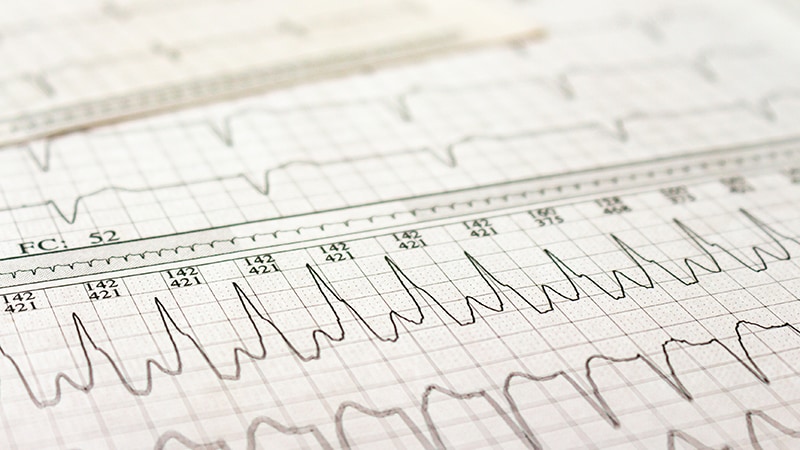
According to information his doctors have provided to the media in statements and in interviews, Russert was known to have asymptomatic coronary artery disease, and he was being treated for hypertension, high LDL and triglycerides, and low HDL. Most recently, Russert's LDL was 68 and his HDL had been raised from in the 20s to 37: an "acceptable lipid profile," according to his doctors. Russert had minimally elevated blood glucose but did not have diabetes; a stress test in late April was normal. Media reports, including a New York Times story on Tuesday [1], note that Russert had even had a calcium scan in 1998, which yielded a calcium score of 210, signaling intermediate risk. A subsequent autopsy has confirmed that Russert had left ventricular enlargement and died of ventricular fibrillation following plaque rupture in his left anterior descending artery.

Journalists reporting on Russert's death are turning to the cardiology community to make sense of it. Most experts are emphasizing that Russert's case, while high profile, is not that unusual.

"More than 300 000 people die each year in the US from out-of-hospital sudden cardiac death, and Russert had the classic symptoms," Dr Prediman K Shah (Cedars-Sinai Medical Center, Los Angeles, CA) told heartwire. "This is a very common scenario that plays out 90 times per day, every single day of the year."


Could Russert's death have been prevented?

Stories like the one in the Times and the Wall Street Journal [2] the same day point to Russert's risk factors and his attempts to manage them. While his weight had crept upward during the US primary season, he seemed to have his cholesterol and blood pressure under control and was exercising regularly. The logical question being asked by reporters of cardiologists is: could Russert's death have been prevented?

Dr Douglas P Zipes (Indiana University Medical School, Indianapolis) agrees that much of the media coverage has tilted toward the possibility that Russert's death was inevitable. "That's been a real aspect of the media coverage," he acknowledged to heartwire. "But when I've been presented with that point of view from the media, my questions have been: what heart rate did he achieve in his stress test? Was it an adequate stress test? Was radionuclide or echo imaging done, which increases the sensitivity of the test? What medications was he taking, what were the doses, and did he take them on a regular basis? What was his cholesterol despite apparently taking a statin? What exercise program did he really participate in? I have no answer to any of those questions."

Shah agreed, pointing out that many of the specifics about Russert's management are "still sketchy."

"So whether this was preventable or inevitable is difficult to say," Shah observed. "We can't be critical of his doctors since we don't really know the full extent of the medical background. Maybe he was doing everything that it was humanly possible to do and still died, which is not impossible. We still lose people in spite of the best available treatment."

Shah believes if anything good could come out of Russert's untimely death, it is the reminder to the public, to physicians, and to policy-makers that "the battle has not been won."

"We obviously need, in addition to screening, widespread attention to cardiac health through lifestyle modification and probably much earlier detection of the disease at a stage where you can actually arrest its progress," Shah said. "If you detect disease in a 58-year-old, it's a different ballgame than if you detect it in the 30s or 40s. The later you detect it, the less effect therapy will have in halting the progression."


Uncontrolled factors and unknown risk

Dr Eric Topol (Scripps Translational Science Institute, La Jolla, CA) pointed out to heartwire that Russert's weight was a major uncontrolled risk factor; he was also under considerable stress and acknowledged being sleep-deprived. These are "major factors," Topol suggests, but they don't explain everything. He believes a CRP test and newer genetic tests would have gone a long way toward to illuminating just how high Russert's MI risk indeed was. It is not clear whether Russert had had his CRP measured on a regular basis.

"We are reasonably good at treating heart attacks when people get to the hospital, but they don't always get there, and we don't know how to predict plaque rupture," Topol said.

Topol believes genomic testing in the future, and even some of the tests available today, might have helped doctors get a better idea of the risks Russert was facing. "I wouldn't be at all surprised if Russert had 9p21 homozygote, and his son Luke should be tested," Topol said.

Much has been made of Russert's abdominal obesity as a risk factor, something Topol does not discount. But he points out: "There are a lot of people walking around with obesity, but only a fraction have plaque-rupture events that are fatal, so we need to pick out that tiny fraction who are at increased risk and we need better means to do that."

A stress test, Topol points out, is of no value for identifying arteries at risk of causing sudden cardiac death. "The cardiology community still doesn't get it, that stress testing isn't the way to pick up plaque ruptures. There's a classic study that shows that CRP is complementary, and obviously CRP is a very crude test, and we could do much better with genes and proteins, even with what we know today. But I think that the medical community's problem is thinking that stress testing is such a great thing and it simply isn't."


Russert's physicians clarify some points.

Several media outlets and bloggers also reported erroneously on Tuesday that NBC's studio did not have an automatic external defibrillator on site, something that one of Russert's physicians clarified on Larry King Live.

According to Dr Michael Newman, Russert's physician, Russert's resuscitation was initiated immediately at NBC and Russert was ultimately defibrillated three times before his arrival at Sibley Memorial Hospital. But how and to what extent resuscitation efforts were conducted appropriately before emergency personnel arrived is still unclear. USA Today has reported that emergency crews arrived at NBC to find someone trying to perform rescue breathing on Russert using a mask, but that this person was not doing chest compressions [3]. USA Today also reported that it was paramedics who, presumably using their own defibrillator, delivered the three shocks to Russert without success.

Sources
  1. Grady D. A search for answers in Russert's death. New York Times, June 17, 2008. Available at: http://www.nytimes.com/2008/06/17/health/17russert.html.
  2. Beck M. A visceral fear: Heart attacks that strike out of the blue. Wall Street Journal, June 17, 2008. Available at: http://www.wsj.com.
  3. Lawrence J. NBC's Tim Russert dead at 58. USA Today, June 13, 2008. Available at: http://www.usatoday.com/life/people/2008-06-13-russert-obit_N.htm.


Your comments
Media mulls Russert's death as cardiologists weigh in
# 1 of 196
June 18, 2008 02:13 (EDT)
D Hackam
Media mulls Russert's death as cardiologists weigh in
This is a great but sad exemplar that exercise stress testing can miss patients who go on to develop acute coronary syndrome even if the face of controlled risk factors. Too bad (and sad) that his last non-invasive imaging test for atherosclerosis was in 1998!
# 2 of 196
June 18, 2008 04:24 (EDT)
Michael Cobble, M.D.
[8346] Reply
Yes very tragic and sad statement for someone who thought he was getting 'optimal' care. He had 'an acceptable lipid profile' with borderline DM, still low HDL, likely still high NHDL, ApoB, TG's and likely dense numerous LDL particle pattern with borderline DM and a CACS over 200 - 10 years ago. ARE YOU KIDDING ME? So many things could have been done, just doing EBCT again, doing CIMT, doing hscrp to better stratify his 'intermediate risk', doing lppla2 testing to look for rupture prone plaque. Evaluation for sleep apnea, MPI testing, being more aggressive with bp, glucose, full lipids, antiplatelet. It would be very interesting to see what medications Tim was really on as well. The sad commentary is yes this happens frequently everyday in the US and many of these events could be averted or stratified better prior to the major catastrophe. I wouldn't want to second guess his treatment, but would add (less vocally than some of my colleagues) that there was enough information here to say he was high to very high risk and perhaps with topnotch medical screening and care - this was preventable.
# 3 of 196
June 18, 2008 04:46 (EDT)
Edward Soll
[8346] Reply
A repeat Calcium Score after almost 10 years would have been helpful and the results may have been of sufficient concern to warrant a Coronary Artery CT-Angio at a minimum. With all of our available technology, it's the government, insurers and "old thinking" that retards use of the tools that we have at hand; their inability to embrace advances leads to avoidable morbidity and mortality. A stent and some Plavix may have been some of the measures that would probably have allowed Tim Russert many more years of quality and productive life.
# 4 of 196
June 18, 2008 05:09 (EDT)
Scott Gibson
[8346] Reply
Predicting (and preventing) rupure of an unstable plaque in an at risk, or even lower risk, patient (symptomatic or asymptomatic) remains the Holy Grail of cardiology.

I suppose we reduce risk, but we don't eliminate risk.

Mr. Russert was certainly was at higher risk.
# 5 of 196
June 18, 2008 05:36 (EDT)
Michael Cobble, M.D.
Time influential people
This may get the most posts as people way in emotionally. Certainly Mario Cuomo's commentary in Time under the 100 most influentual people makes this story very sad. Leaving a son in his 20's a wife of over 25 years.

Yes with his 'borderline' diabetes and his 'borerline but acceptable HDL and TG lipid panel' would have entered him into the 'reduced' risk category of HPS being on a statin and having 20% events rather than 26% events or the DM group only 33% events over 5 years rather than the placebo 38% events or CARE 19% events over 5 years rather than 25% or in the DM subgroup 29% events rather than placebo 37% events or LIPID and CARE with low HDL higher events or high TG higher events. LIPID nonDM pts over 5 years had 12% events on statin where placebo had 15% events, yet the DM group showed 19% events on statin and 23% on placebo. So yes, we could do a much better job at reducing events but can't garauntee elimination. Dr. Daysprings evening symposium later this year at AHA CME (is a must) discussing "Managing Dyslipidemia: The Triglyceride/High-Density Lipoprotein Axis” will be a great full review for any cardiologist and clinician who treats lipids and addresses disease and risk.
# 6 of 196
June 18, 2008 06:02 (EDT)
Ayman Magd
[8346] Reply
Yes , what a truly sad sad day to lose someone so uniquely respected and admired by all . He was supposed to make a personal appearance at the last CRT meeting last February but had to cancel due to the heated Obama/Hillary race. Still , out of respect to the attendees he insisted on making a personal appearance via satelite to apologize . Unfortunately , his tragic death may/may not have been preventable. We are NOT perfect , far from it . All our best efforts will save some but not all patients .Remember , Jeffry Isner who was thin ,exercised regularly and had all the tests done including a MPI and a cardiac cath yet he still had SCD ! Yes , predicting plaquerupture is the next holy grail of cardiology now that Restenosis is not the huge problem it once was !
# 7 of 196
June 18, 2008 07:35 (EDT)
Chris Kliesmet
[8346] Reply
The question here is not whether Mr. Russert could have been saved. The salient question is should more have been done and is traditional cardiology burying its collective head in the sand.

It is impossible to say whether more aggressive treatment ten years ago after Russert's heart scan would have saved his life but it most certainly would have significantly reduced his risk. A heart scan score of 210 alone (either Agatston or volumetric) in a male age 48 puts one at the very highest end of risk. Even the hopelessly outdated ATP III guidelines tell us an HDL of 37 is unacceptable and the research regarding abdominal adipose tissue is chilling whether you buy into the theory of the metabolic syndrome or not. This is all no longer speculation but fact. Anyone who reads this website regularly might also ask what Russert's Vitamin D3 level was. Insurance considerations might also serve as a convenient scapegoat if the patient were not a wealthy individual with the means to pursue the most cutting-edge approaches.

Given these facts at what point does ignoring the evidence constitute malpractice? Passing the buck by relying on the imprimator of the AHA or ACC to treat patients is not only cowardly - it is deadly.
# 8 of 196
June 18, 2008 07:40 (EDT)
D Hackam
I agree
Every patient we see in clinic gets a noninvasive 2D high res carotid ultrasound measurement of total plaque area (cm2) throughout the entire extracranial carotid tree. His atheroma burden would have easily been picked up by this scan if he had a CAC score of 210 in 1998. He would then have been aggressively treated with antiplatelets, high dose statins, RAAS blockade, and lifestyle/stress modification with the possible addition of metformin. It is subpar management to rely on stress tests and risk factor levels alone in this day and age.
# 9 of 196
June 18, 2008 08:15 (EDT)
Mehrdad Saririan
Let's get real here ...
I'm not into second guessing his doctors, and those implying subpar treatment need to take a step back and chill.

Mr Russert was overweight, stressed at work, and likely had very little time for exercise. Despite best intentions, there is only so much a doctor can do. All these "fancy" tests, like lppla2, are for nothing without proper weight loss and exercise. It likely would not have changed his ultimate outcome.
# 10 of 196
June 18, 2008 08:26 (EDT)
davis william
[8346] Reply
Mr. Russert's doctors dropped the ball bigtime on this one.

All we had to know was that he had a heart scan coronary calcium score of 210--in 1998. The data are clear: We can expect that scores increase at an average rate of 30% per year. On statin agents, a typical rate of progression would be 14-24% per year.

I saw a patient in my office today, a fellow physician who I coached and reduced his 99th percentile heart scan score of 380 by 27%. Although this is less than the 40, 50, and 60% reductions I am seeing using simple prevention strategies (including correction of lipoprotein abnormalities such as small, dense LDL; addition of OTC omega-3 fatty acids, etc.), it is entirely possible.

Though I have published my data and have done this now in hundreds of patients, my experience remains a retrospective one. Nonetheless, I can count the number of coronary events in this group on one finger.

It is highly likely that Mr. Russert's heart scan score was in the neighborhood of 1000 to 2000, given the lax prevention program he was on, his lifestyle, and body habitus.

As one commenter stated, a repeat heart scan would have told the entire story. But it should NOT have triggered CTA or cardiac catheterization, but an intensified prevention effort. It works.

Shame on Mr. Russert's doctors and shame on us that we show more interest in the newest stent but not in delivering more effective tools for prevention.
# 11 of 196
June 18, 2008 08:48 (EDT)
Michael Hennigan
[8346] Reply
His death was preventable, and in line with current evidence. If a GTT were done, he most likely would have had a post challange glucose > 200 and was therefore diabetic. In Periscope - Actos was shown to reverse atherosclerosis, and in HATS - Combination of Niacin and statin with HDL raising resulted in triple the event reduction of any statin trial. The facts were all there, and if not agressive but APPROPRIATE care was offered, in all probability would not have happened. If the facts are that they were complacent to leave his lipids and blood sugar at the level publicized -- rather than his refusal to correct these factors -- this constitutes failure to diagnose and failure to treat.
# 12 of 196
June 18, 2008 08:59 (EDT)
Geri Bailey
[8346] Reply
As sad as Mr. Russert's death is, it is too soon to blame the cardiologist. The verdict is still out on whether treatments were appropriate for Mr. Russert. Under the circumstances, all opinions are speculative at best. Unless those critizing his cardiologist have all the information, there is no reason to
raise doubts about the care he received. By all appearances, Mr. Russert was overweight and had a history of dyslipidemia, HTN, and borderline diabetes. These problems did not occur overnight. Mr. Russert did not appear to be aggressively working towards weight loss either. That combined with his risk factors and high stress work environment did not help.
Give his doctors a break. It is always easier to cast stones when all the information is not available.
# 13 of 196
June 18, 2008 10:13 (EDT)
Ruth Bertsch
[8346] Reply
As a practicing clinician who manages dyslipidemia on a day to day basis there are many unanswered questions with this case. I saw the above question of Niacin and Omega 3 usage, the question of a 2 hour GTT for diagnosis of frank diabetes, the call for more testing… but what if the patient just did not want anything more that is currently required as standard care based on the good old fashion Framingham Risk Score. I work in a secondary prevention practice so I end up seeing the patients who are already convinced of the event… it just happened… it is much more difficult to tell someone who feels fine that they are at high risk and have them do more than the ‘status quo’. Was there more than 15 minutes to discuss his risks with him; was there a nurse run practice that cheered him on in weight loss, exercise and medication compliance? If the cardiovascular world could get the same publicist as the cancer society I think we would all be better off. Patients tremendously fear cancer in their breast, prostate and skin but what about the abnormal cell development that is the disease of atherosclerosis…. it is still the primary killer of Americans.
# 14 of 196
June 18, 2008 11:29 (EDT)
Michael Cobble, M.D.
MS - step back and chill?
Your'e kidding right?

I don't think that anyone is 'second guessing' his clinicians as such. The issues are:

1. ETT has terrible pos predictive value and is not a test that should give one comfort if negative. My Mom's superindendent at the Deaf and Blind school died from an MI while out exercising/hiking with his wife after his doctor performed ETT (2 months prior) and gave him the green light to 'eat and do whatever' he wanted because his lipids were 'normal'.
2. A CACS over 200 under the age of 50 and 60 is very very high risk, but may not predict rupture.
3. MPI is not without error. CTA is not without error. A large percent of SCD occurs with angiographic evidence of < 30% athero.
4. How do we predict the rupture prone patient? do they have abnl gfr, do they have abnl uma, do they have abnl lipoproteins, do they have abnl hscrp, do they have abnl lppla2, do they have dm or borderline dm? etc?
5. Could more TLC have been encouraged in this case, would participation occurred? Was stress, tlc and rx mgmt stressed aggressively? Did the treating clinicians give a false sense of security or underpredict risk? Would he have responded to a message of high or very high risk? Of course the responsibility is both the patients and the clinicians. (my Dad didn't listen to my message of CV risk and lifestyle changes thinking he was imortal as well - fortunately we had the opportunity to perform 5v cabg.
6. I make mistakes often and hope they are never serious, we have all seen SCD in 'surprise' cases. MY problem with this is that he definately did not have a 'normal lipid panel' at goal, he definately did not have a low risk stress lifestyle, low risk glycemia value, low risk inflammatory metabolic state, a low risk CACS. There were many red flags for the clinician and patient that this was the road to disaster and unfortunately 5000 MACE events occur every day in this country with 2500 deaths/day as a result. Some of these are PREVENTABLE....

Cardiologists are some of the best physicians I interact with on continual basis - however we must recognize our current risk identification, stratification and intervention techniques are inadequate.
# 15 of 196
June 18, 2008 11:29 (EDT)
steven tatar
[8346] Reply
Not a surprise, to lose lives when treating to socio-economic and evidence based standards. We leave 2/3 of the events on the table in the best clinical trial treatments (see #5 post by Michael Cobble).

We remain stenosis-centric as Dr Topol pointed out in his blog. Treatments need to be targeted to the vascular wall, but we continue to use tests of luminal reserve to assess risk in asymptomatic individuals. This approach. if anything. tends to reduce incentives for optimal management by giving an element of false reassurance. It did with Bill Clinton 3 years ago and now it is repeated with Russert.

Looking at Russert's risk factors, the question was not if but when he would experience a vascular event. Our profession has failed to provide guidance for optimal management. I feel we have the tools to prevent probably 80-90% of events, not just 30-50%.
# 16 of 196
June 18, 2008 11:36 (EDT)
Wiliam Blanchet
Time to re-evaluate coronary prevention
Our job is not to decide if we need to blame Dr. Neuman for this tragedy but rather to discuss what we need to do to prevent this all too common issue from happening so often in the future.

I must admit that I am a bit disappointed in the input from the "experts" quoted in this article.

Dr. Zipes, stress tests are horrible at predicting heart attacks! 84% of heart attacks are due to rupture of plaque that was not sufficiently obstructive to make stress tests positive (Falk E, Shah PK, Fuster V Circulation 1995;92:657-671). This is not even looking at those patients with very advanced coronary disease missed by spect imaging due to “balanced ischemia”. Let’s give stress tests their proper place in screening, stop doing them!

Dr Topol, we pull out the obesity excuse to explain our medical failings so that we can blame the victim. BMI of 25- 30 or 30- 35 are less of a risk for coronary death than BMI of <25 (Lancet. 2006;368:624-625, 666-678). Indeed the MESA heart study found no correlation between BMI or CRP with coronary events (n engl j med 358;13 march 27, 2008). Let’s get away from the lame excuse of “he didn’t lose the weight” and let’s talk about real issues and solutions. Also, give me a break with the HS-CRP Tom foolery, a tribute to Harvard marketing but not a truly valid predictor of coronary events. Serial EBT imaging is over 100 times more predictive of non-events than an HS-CRP of less than 1(Arteriosclerosis, Thrombosis, and Vascular Biology 2004;24:1272, Ridker PM et al. N Engl J Med 2002;347:1557-1565)
.
Tim’s physician was more forward thinking than a majority of thought leaders in that he had performed an EBT heart scan 10 years ago. To characterize a CAC score of 210 in a 48 year old as “intermediate risk” is reflecting ignorance of this technology. At age 48, a 210 CAC score put Tim Russert above the 90th percentile for men his age and at extremely high risk of coronary death unless aggressively treated. Unfortunately, he never had a follow up EBT scan to demonstrate lack of effective benefit from his primary preventive strategies.

Had Dr Neuman had the benefit of a follow up EBT heart scan which would have demonstrated annualized progression of >14% pr year, he might have added lovaza or changed his statin to 40mg crestor or increased his niacin dose or added zetia. He may have also evaluated him for sleep apnea or he might have started pioglitazone to improve his insulin sensitivity problem. He may have treated his BP to lower goals. Perhaps he would have added Vit D-3 or plavix. These are all strategies which can improve outcomes but until we know that our current strategies are failing we are resistant to add.

Dr Shaw, you are correct in your perspective that this is all too common a phenomenon but your math is off, this happens 822 times a day (not 90).

I blame Tim Russert’s death on the medical thought leaders who continue to inappropriately criticize and suppress EBT coronary calcium imaging. Had Joseph Loscalzo not blocked the publication of the AHA expert position paper on EBT imaging in 2004, perhaps Dr. Neuman would have considered a follow up EBT and Tim might be alive today. Since Dr Loscalzo blocked that publication, 1,200,000 Americans have died from sudden cardiac death, Dr. Loscalzo, how do you sleep?

If Steve Nissan had not referred to the SHAPE editors as “shameless self promoters” these evidence based guidelines might have been taken more seriously by other physicians and Tim might still be alive today. In addition to Tim, perhaps some of the other 821 victims of sudden cardiac death that day may also still be with their families. I do however understand Dr. Nissan’s position, when EBT coronary imaging is used clinically, it makes IVUS irrelevant.
# 17 of 196
June 18, 2008 11:43 (EDT)
Michael Cobble, M.D.
couldn't have said it better
Steve, great commentary, I was going to mention our former president also having CAD recognized late. We all have patients in our practice like this. This should be a wake up call for all clinicians treating and assessing CAD - more can and should be done. If one is treating to this degree - as you stated Steve - we will get 30% risk reduction as evidenced in multiple evidence based studies. This is my Las Vegas analogy - taking an LDL statin to vegas will result in 60-70% loss of your chips.

We have simple technology available that can assess risk more accurately and motivate ourselves and our patients to be more interactive and progressive about near term and short term risk mgmt. Will this event motivate any change in individual treatments or mgd care policy or public health policy with CAD?
# 18 of 196
June 19, 2008 12:05 (EDT)
Wiliam Blanchet
Dr. Cobble I beg to differ
Elevated CAC by EBT is by far the best predictor of plaque rupture we have. The only thing more predictive is a follow up EBT.
# 19 of 196
June 19, 2008 12:34 (EDT)
Michael Cobble, M.D.
beg to differ with what? Are we differing on something?
Elevated CAC by EBT predicts elevated risk however it does not predict when or where plaque will rupture. CIMT doesn't do that. CTA doesn't do that. IVUS doesn't do that. QCA doesn't do that. Perhaps MRA/MRI or advanced IVUS looking for necrotic core may help (who wants to do that?) but there is no doubt that lppla2 independently predicts rupture prone potential of atheroma based on over 27 studies in the last 8 years independent for cad and cvd both.

What are you differing with?

CAC EBT is a predictor of elevated quintile for risk and should be considered as one of the imaging techniques (just as others are useful) to better stratify risk.

I like your comment of disappointment with the 'experts' commentary. Hscrp has utility in identifying metabolic syndrome/prediabetes/fatty liver/inflammatory states and I would bet that this level would have been over 3 and indicated higher risk as well (50-100% higher risk than clinician thought). Vitamin D supplementation has not been shown to lower CAD events but is a risk factor for cad and I agree many people should be on this inexpensive regimen in women for cancer prevention, bone health and perhaps cad/cvd risk reduction. I agree with your comments about Dr. Topol blaming obesity on the patient (blame the food and bev industry, blame the employer, blame the TV, computer, car industry, blame the govt, blame mgd care - but to blame the pt - certainly the pt has responsibilty for this...) and again BMI is not predictive where waist circumference and central adiposity are (again see met syn/fatty liver). While Pio has shown in imaging studies to regress athero compared to su's and prevent nonfatal MI/stroke/death in a longstanding DM population and now shown to prevent DM just as Rosi - there has not to date been any evidence to support use in the nondm pt for event reduction (stent restenosis posters yes) - although one would hope it would and I certainly would not be surprised by this finding. You should know how I feel about Dr. N's constant stream of nonsense at times and contradictory positions - his interests are very convoluted it would appear. None of this dialogue is intended as criticism to his treating clincian as we have all been there and certainly no harm was intended. The points again are:
1. there are better ways to assess risk as you indicated.
2. we should try to never underestimate or give a false sense of security to a pt such as this with many high risk issues (lifestyle -wt, stress, predm, abnl lipids, etc.)
3. cardiometabolic risk with a high risk ebt cacs is really bad and should be taken very seriously and serially monitored in some way
4. he did not have a 'normal lipid panel with current treatment' THIS is BIG - yet less than 10% of these lipid panels are treated appropriately in this country. That is why organizations such as the NLA - lipid.org are so important.
5. While a valid and helpful tool for risk imaging was used, the interpretation and follow up were perhaps inadequate.
6. Athero is a continuum and should be assessed frequently - this disease contrary to many of our trainings can be identified early as we have all discussed and can be stabilized through good tlc and rx mgmt and can be reversed. We never thought this was possible 20 years ago, but it is today through many simple techniques which do not include ETT or QCA. Mike
# 20 of 196
June 19, 2008 12:45 (EDT)
steven tatar
[8346] Reply
William B, have you seen or are you aware of regression of calcium score with optimal rx cited by Davis William post #10?

I have seen impressive imaging of coronary vascular wall + lumen with CT angio but radiation, cost, and dye are significant barriers. Followup of asymptomatic disease is not an option with this current technology.
# 21 of 196
June 19, 2008 12:55 (EDT)
Thippeswamy Murthy
[8346] Reply
FASCINATING COMMENTS EVERYONE! I LEARNED A LOT FROM YOUR COMMENTS. I will apply some of them to my own cardiology practice.

My advice:
1. Always temper any judgement you have about another physician's care of a patient with the fact that you have not personally taken a history, examined the patient, and reviewed the primary data. Every patient is a unique individual.

2. Do not try to overanalyze, as has been done above, the etiology of CAD in an individual patient. Much of what we know, is based upon studies of individual patients. Remember, there is a bell curve.

3. Continue to always to strive to improve the care of your own patients and remain modest and respectful of alternative opinions.

# 22 of 196
June 19, 2008 01:05 (EDT)
Wiliam Blanchet
My results compared to Dr. Davis'
Although I regularly see CAC regression in my patients, I have not seen the degree of plaque regression as Dr. Davis describes. I have only included Vit-D in my prevention program for the past 8 months since I learned about it’s potential value on this blog. Dr. Davis has attributed the addition of oil based D-3 to his prevention strategies as helping with his current phenomenal results.

I have been able to achieve plaque stabilization with annualized progression of <14% with almost all of my patients by their third heart scan. Of the 1,000+ patients whom I have scanned and treated based upon their plaque results, I have seen only 2 heart attacks over 6 years, one as a consequence of DES thrombosis when he prematurely stopped his plavix and the second in a patient 10 years SP CABG who had such advanced disease that he had an arrhythmic death within a few weeks of his initial scan (which was followed by an angiogram). This makes me look at revascularization with skepticism as the only events I have seen in my scanned population are in patients who were mechanically revascularized.

With these personal results, it physically pains me to see people dying, under-diagnosed and under-treated with great regularity when I know it does not need to happen!
# 23 of 196
June 19, 2008 01:18 (EDT)
Wiliam Blanchet
Michael, it's not the vulnerable plaque, it's the vunerable patient
I don't care which fleck of plaque ruptures I care if any fleck ruptures. We need to change the physiology of vulnerable patients so that all of their plaque becomes stable.

We need to stop looking at heart disease through the eyes of a plumber and begin looking through the eyes of a water quality engineer.

Nothing compares to seriel EBT imaging in identifying the vulnerable patient.
# 24 of 196
June 19, 2008 08:19 (EDT)
Artur Andrade
[8346] Reply
I don´t know who mr. Russert was, because I live in Brazil, but I can imagine he was a VIP. Every time a VIP dies suddenly, the world seems to fall over our (phisicians in general) heads. We have to remember we are not God.
CAD is the most important cause of dead in the world, and who is the culprit? The modern way of live we have, for sure.
We learn a lot, but, in spite of all the cutting-edge approaches we have, the most important thing to do (still) is exercise, good food, relaxing. Why do we have to perform expensive tests, just to show the patients they are in a moderate/high risk and convince them to take care? I don´t guess so. Of course, aspirin, ACEIs and BRAs, BBlockers, statins, that such wonderful inventions, are very, very important, but our body was made to move and have good foods and it seems people don´t know this. And the patients must be taught about this, but they have their responsibilities. We can´t put a cop behind each one to put them in the jail if they don´t want to take care of themselves. Our duty is teach them and their is make the right thing.
If the Mr. Russert´s death was preventable or not, now it doesn´t matter. The point is: was he informed about his own risk? If the answer is yes, so, the right thing was done. For sure make tests is important (lipid profile, fast glucose, CRP[to say to the patient = take care, man, otherwise you can see Saint Peter before you want], a treadmill test [not only to try diagnosis CAD, but to measure other things to, like phisical capacity etc].
Remember, we are not God. He had LDL<70 and his HDL had been improved (20 to 37 - ok, it was less than 40, but who could made the magic of enhance more?).
Stop waste money unnecessarily - stent his isolated and asymptomatic coronary artery disease? Stop with this, man. Didn´t you see Courage? Score calcium regularly? What for? Just to tell him he was in risk? Man, with HBP, "wrong" lipid profile, elevated fast Glucose, with a "little belly", stressed and whatever more you want, I didn´t need these tests to show him he was in a bad way. The problem was he convince himself he should change his lifestyle and take his pills regularly. The rest, my friens, is philosophy.
# 25 of 196
June 19, 2008 08:36 (EDT)
Jack Underwood
[8346] Reply
I was 50 years old when I had my first cardiac event. I do not drink, smoke. I do moderate exercise (I walk 18 holes of golf twice a week, and I just walk around 2-4 miles per day. ) My blood pressure is 120/80. My cholesterol at the time was 130, and my cardiac risk ration was < 3.2. I am 5'10" and weigh 160lbs. My attack was a piece of plaque that had "folded" over like a door into one of less important coronary arteries. I received TPA to no avail and was transported to a tertiary center for an angiosplasty. It was about 2 hours from time in pain to angioplasty, where the obstruction was cleaerd. It certainly was a matter of being in the right place (5 miles from my primary care hospital) at the right time. I am still on low dose metoprolol, lisinopril, zetia 10mg and LIPITOR 40mg.
# 26 of 196
June 19, 2008 10:27 (EDT)
D Hackam
William B
You should publish your experience in comparison with the typical expected rates of vascular events in such patients as you see (mix of primary/secondary prevention)?

More importantly than the modality, what are you using to get the event rates so low? Please describe. I think we could all learn from such experience - having an event count of 2 in 1000+ patients followed over 6 years means you must be doing something right!
# 27 of 196
June 19, 2008 11:34 (EDT)
CJ Mc
[8346] Reply
Certainly merely echoing what most have already touched on above,.. but like DM, CAD is a "dimmer-pack" NOT an "on/off' switch. Now you don`t have any disease,.. tomorrow your high-risk. Doesn`t work that way. In spite of the fact Dr. Bale is not a cardiologist, that`s one "weigh-in" on here I would really like to read. Dr. Brad has one heluva track record, by ANY standard, preventing this monster, CAD, from winning most of the time:
FFTT,.. no cost. Screen with a plain 'old' glucose monitor 2-hrs after a high-carb/high-trans fat "happy meal",.. repeat that and a couple baseline fastings, now you have a "free' documentable 'excuse" for a 3rd party paypor to actually aprove running an OGTT. FFTT aka fast Food Tolerance Test is a pretty EZ way to pre-screen. > 140 2-hr PPG,.. the dimmer pack is ON !!
Lp(a)? How much more NON-industry funded data do we need to start screening for this. Early MI/CAD,.. could be in this case. Statins don`t work, and 2 of the more popular one`s have a LOT of data they increase it. We ae already measuring it POORLY, hidden in the 3 'parts' of LDL. Statin didn`t work well ? Try running the Lp(a), FIRST.
LpPLA2,.. that comes from the plaque,.. NOT the liver.
Pattern B / 65% prevalence in tested males.
Beyond that, you may as well run the test for ApoE alleles. That might be useful in dietary counseling., etc. Also, avoid treating them incorrectly.
I think "Dirty Harry" said it best;
"When are we gonna stop ----- afround with this fella ? [CAD] He LIKES it [killing],..!!" I absolutely agree with advanced testing. Watch how many "check marks" go away with the latest "Gorilla-Statin": not man. Then add one lousy gram of niacin and see how many of the remaining "check marks" resolve in 12-24 months. That`ll make you a believer.
Stepping off my soap-box,...
# 28 of 196
June 19, 2008 11:41 (EDT)
martin frey
[8346] Reply
was he even on aspirin? if he was was he aspirin resistant. While plague rupture cant be predictated, if it does occur we know there will be platlet activation.
# 29 of 196
June 19, 2008 11:43 (EDT)
CJ Mc
[8346] Reply
Additive Comment;
Framingham had it RIGHT !! It`s suoerior to LDL myopia.
TC/HDL is not that imprecise.
HDL2b is probably every bit as important as many of us here believe. Or, merely, ApoA1 levels.
The widely argued "functionality' of HDL, is pretty accurately measurable, TODAY;
HDL proteomics, HDL2, HDL2b, SAA/amyloid vs, PON1 levels, etc., etc.
The GREATEST assurrance of functionality is an HDL > 60,.. not 50, or 40. OR 37 ?
NORMAL ? Reasonable lipid panel ?
# 30 of 196
June 19, 2008 11:54 (EDT)
Neil Brandon
[8346] Reply
The best, most aggressive secondary CAD prevention regimen reduces event rate by 50% at best. Nice that so many have ideals to prevent 100%, but this is certainly unattainable despite any amount of expensive, sophisticated risk prognostications. Bad things happen, even to famous people. Blame God, not man.
# 31 of 196
June 19, 2008 12:16 (EDT)
Chagai Dubrawsky
[8346] Reply
Prevention(Search) is far more effective than
Curation=Treatment(Rescue).Not only it is far more "Cost effective" but "Moral effective" too.
Everybody knows it.So why so little is done,when it comes to Sudden Cardiac Death?.
Everybody knows that Defibrillators are effective in the rescue of 5%-7% of sudden cardiac death.(Not to mention the quality of life of the "Rescued").
It is beyond my comprehesion,why don't we do better?(Or is it because we can't do better.)
I don't buy that theory.
We already see some inroads made by different
people in this aspect.We also see quite a resistance for changes.
The Tim Russert tragedy is another reminder that we still have a problem.
# 32 of 196
June 19, 2008 12:50 (EDT)
Brij Mittal MD MBA
[8346] Reply
Despite the terrible News, I do have some concers about the Stress Test & calcium scan was done about 10 years ago which probably has increased in 10 years. Secondly, the plain Stree Test is of less value. In my opinion a person with risk factors should under go Nuclear Stress Test. Mr. Russert had many risk factors which should have been followed more closely.
# 33 of 196
June 19, 2008 03:05 (EDT)
CJ Mc
[8346] Reply
50%, best we can do ? Blame God? with all due rspect,.... That`s not "on the mark". FATS, HATS, regression data, 2-3 Rx`s vs high-dose of one... it CAN be done. More spine is involved,.. that`s what it comes down to. Knowledge & the willingness to swim upstream against the current conventional wisdom & MCO /3rd party system "obstacles". Administering a statin and only monitoring LDL with a Guess-timated 40 year old formula, is not the bst we can do. After all the testing and prognostication, the treatment should look different, not the same.
If Dr. Bale is handy, I`d love if he would "weigh-in'.
# 34 of 196
June 19, 2008 03:06 (EDT)
CJ Mc
[8346] Reply
Also,.. Dr. Greg Bown, are you out there,..?
# 35 of 196
June 19, 2008 03:29 (EDT)
Stephen Algeo
[8346] Reply
Lots of speculation here with not much evidence to back it up. Let's not beat up his docs for not measuring vitamin D3 levels and treating his CIMT with metformin. What he needed and did not apparently receive was effective CPR.
# 36 of 196
June 19, 2008 03:29 (EDT)
Melissa Walton-Shirley
[8346] Reply
Mr. Russert's death was certainly a tragedy but as the annoucement came forward, I must admit sadly that it was not a shock. So many times I have thought to myself that he looked very unhealthy due to his body habitus. With that news comes a certain amount of guilt that someone in our specialty didn't just hit him over the head with guidelines and recommendations for healthy living. Then again, maybe someone did and afterall, hitting someone over the head is illegal and often doesn't work. He was of the utmost intelligence and probably knew he wasn't taking the best care of himself which was evident in his weight gain.
As I understand the information, he had not had a stress evaluation for ten years......another teaching opportunity for our patients. The presence of a progression in his fixed obstructive disease could have garnered a more aggressive medical and dietary regimen . Though a stress exam can't predict sudden death, it can predict the presence of atherosclerosis and can serve as a good motivator for compliance.
The statement made that he had mild glucose intolerance 'but wasn't diabetic' is an untruth. As I tell my patients,just as you cannot be 'borderline pregnant', you cannot be boderline diabetic. You are either glucose intolerant or not and if you are glucose intolerant it's dangerous but treatable.
Borderline Diabetes is lethal. It leads to placque vulerability and a million other disease processes. Until we convey that sentiment to the general public, we will be doing them and folks like the very wonderful and talented Mr. Tim Russert a grave disservice. There is NO DOUBT in my mind that this death was preventable. If anyone truly thinks we'll go when it's 'our time', then we should never look both ways when we cross the street.
My condolences to friends and family and to his physicians who are no doubt at this very moment recalling conversations they likely had with him on many occasions. We cardiologists can weigh in all we want and try to play Monday morning quarterback but You can't make an adult do anything they really and truly don't want to do in a free society.
Though horribly tragic, Mr. Russert's death may serve to wake up fellow Americans who are not optimizing their risk factors. In death, he may have provided an opportunity for others like him to find a way to live.
Melissa
# 37 of 196
June 19, 2008 03:31 (EDT)
Alan Immerman
[8346] Reply
Modern cardiology completely failed Tim Russert. Cardiology teaches that it is "normal" to have cholesterol at 200 or below, even though science has proven that 1/3rd of heart attacks occur when cholesterol is between 150 and 200. The so-called "experts" don't have the sense to tell people they must get their levels below 150, not 200, to be heart attack-proof. The government agencies won't make this proclamation broadly and clearly. Why? Because the only way to get cholesterol below 150 is to eat a plant based diet with no animal foods including dairy. The meat and dairy industries exert enough influence over the government that we will never hear general advice to eat a plant based diet, even though it is the only way to become heart attack-proof and not follow in Tim Russert's footsteps at the tragic young age of 58. This was, in all likelihood, completely preventable. For proof from the scientific literature, I refer you to the webpage of a veteran surgeon from The Cleveland Clinic, Caldwell Esselstyn, M.D. Go to heartattackproof.com and learn how to save patients from a midlife sudden death heart attack. It can be done. It is disgusting that modern cardiology and the government are not yelling this truth from the highest mountaintops! Dean Ornish, M.D., has published proof of this fact for twenty years. Colin Campbell, M.D., showed there are no heart attacks in rural China where people eat a plant based diet. Nathan Pritikin proved all this decades ago. Modern cardiology is in the dark ages. Much more must be done.
# 38 of 196
June 19, 2008 04:22 (EDT)
Robert Hames
[8346] Reply
Melissa, you should pursue a career in journalism. Your comments are very inciteful and thought provoking. I have read commentary from you in the past and thoroughly enjoy your perspective on controversial issues in health care. Hell, forget journalism, run for president.
# 39 of 196
June 19, 2008 10:07 (EDT)
steven tatar
[8346] Reply
Melissa, your thoughts on Russert's death are on target and wellsaid.

Shelly Wood, however, cited "a stress test in late April was normal".

I repeat my post from yesterday:
Treatments need to be targeted to the vascular wall, but we continue to use tests of luminal reserve to assess risk in asymptomatic individuals. This approach. if anything. tends to reduce incentives for optimal management by giving an element of false reassurance. It did with Bill Clinton 3 years ago and now it is repeated with Russert.

I don't hear much talk of "false negative" stress tests. This would generally be a retrospective label. In Russert's case, it probably was a contributory cause to inaction.
# 40 of 196
June 20, 2008 12:25 (EDT)
Wiliam Blanchet
Steve, you are correct

The big news point is that Tim did great on his stress test a couple of months before his fatal MI. Interesting that 10 years ago an EBT heart scan predicted this outcome and a few months ago a stress test gave inappropriately reassuring information. Too bad his follow up was not with another EBT rather than with a relatively useless stress test. It is the doughnut, not the hole, that counts.

Stress tests become positive when there is a 70% or greater narrowing of a coronary vessel resulting in ischemia with stress. 86% of heart attacks occur in vessels with the maximum narrowing anywhere in the culprit vessel is less than 70%. Multiple studies have shown that 68 to 78 % of heart attacks occur in vessels with less than a 50% atheromatous narrowing.

I love you Melissa but you are wrong on this one. Stress tests are not the way to follow risk, atherosclerotic imaging is and EBT is the only clinically validated method of doing this.

Why then is stress imaging covered by all insurance companies while EBT imaging is not? EBT calcium scores cost 25% of the cost of a SPECT stress imaging while exposing the patient to only 5% of the radiation of SPECT imaging and providing much more valuable information regarding heart attack risk!
# 41 of 196
June 20, 2008 07:45 (EDT)
davis william
Dr. Blanchet is right on
Dr. Blanchet argues articulately on how serial coronary calcium scoring to track progression, arrest, or reduction can be the most useful strategy available. In my practice, as in Dr. Blanchet's, there have been NO coronary events in people who have stopped (zero growth) or reduced their coronary calcium score. Scores in this group range up into the many thousands, representing extensive 3-vessel coronary disease.

In the view decade of my career, I performed 5000 catheterizations, atherectomies, stents, etc. I perform them rarely now and on patients who I've just met with unstable symptoms.

What we all need is an easy index of longitudinal atherosclerosis along the length of all three coronary arteries, not measures of stenosis severity in asymptomatic patients. In 2008, the only such measure clinically available is coronary calcium scoring. Dr. Blanchet argues this persuasively. Sadly, as long as stenoses can be used to justify stents, bypass, or other revenue-generating procedures, they will continue to overshadow preventive efforts. But tragedies like Mr. Russert's highlight the folly of the "let's wait until you have symptoms or ischemia by stress testing" approach.


# 42 of 196
June 20, 2008 07:45 (EDT)
Michael Cobble, M.D.
Melissa,
As in all things, our hope is always to learn and move forward. Learn from the good, learn from the bad, learn from the tragic... your comment -

"There is no doubt in my mind that his death was preventable." is nice to hear because i think for many the question is could more have been done? Yes, personal responsibilty perhaps could have and should have been more, clinician responsibility could have and should have been more. None of us have a crystal ball and certainly no harm was intended. BUT the fact is - current care for atherosclerosis evaluation, stratification and stabilization are poor. As many have mentioned more clinicians in partnership with their patients and the public need address the full cardiometabolic risk, more clinicians need assess risk progressively with newer imaging (cimt, ebct, cta, etc..), more clinicians need consider advanced testing (expanded lipids, kidney markers, inflammatory markers).

If this is a wake up call that more can and should be done to minimize visits to the ED, Cardiologist, Neurolgist or Pathologist. Then positive can come from this. If not, we have learned nothing and applied nothing.

For many (such as my Dad) ACS in his life was what was required for him to become serious about changes that needed to be made for improving his quality and quantity of life. For my Mom's employer - his ACS ended in such a way while exercising with his wife soon after a 'complete green light on his health' with inferior risk evaluations.

We can not be right 100% of the time, but we can certianly be much more accurate and provide better standards than are currently being applied. If clinicians would simply try to meet the current guidelines for lipid control (LDL < 70, NHDL < 100, ApoB < 80, TG < 150, HDL > 40 - all of the latter not met except LDL) Glucose control, BP control, Lifestyle control, Stress control, etc... Much risk would be averted. I hope everyone has a very nice weekend. Mike
# 43 of 196
June 20, 2008 09:03 (EDT)
Michael Cobble, M.D.
Melissa,
As in all things, our hope is always to learn and move forward. Learn from the good, learn from the bad, learn from the tragic... your comment -

"There is no doubt in my mind that his death was preventable." is nice to hear because i think for many the question is could more have been done? Yes, personal responsibilty perhaps could have and should have been more, clinician responsibility could have and should have been more. None of us have a crystal ball and certainly no harm was intended. BUT the fact is - current care for atherosclerosis evaluation, stratification and stabilization are poor. As many have mentioned more clinicians in partnership with their patients and the public need address the full cardiometabolic risk, more clinicians need assess risk progressively with newer imaging (cimt, ebct, cta, etc..), more clinicians need consider advanced testing (expanded lipids, kidney markers, inflammatory markers).

If this is a wake up call that more can and should be done to minimize visits to the ED, Cardiologist, Neurolgist or Pathologist. Then positive can come from this. If not, we have learned nothing and applied nothing.

For many (such as my Dad) ACS in his life was what was required for him to become serious about changes that needed to be made for improving his quality and quantity of life. For my Mom's employer - his ACS ended in such a way while exercising with his wife soon after a 'complete green light on his health' with inferior risk evaluations.

We can not be right 100% of the time, but we can certianly be much more accurate and provide better standards than are currently being applied. If clinicians would simply try to meet the current guidelines for lipid control (LDL < 70, NHDL < 100, ApoB < 80, TG < 150, HDL > 40 - all of the latter not met except LDL) Glucose control, BP control, Lifestyle control, Stress control, etc... Much risk would be averted. I hope everyone has a very nice weekend. Mike
# 44 of 196
June 20, 2008 09:12 (EDT)
mark meier
Let's be honest here
I've seen all of the talk about his death being preventable with EBCT, CRP, nuclear perfusion scans, etc. Give me a break! We all know that vulnerable plaque is not predicted by imaging tests or even cath. CRP is a nonspecific risk factor, and in his case would almost certainly have been high. However, this adds absolutely nothing! We already know he was high risk - and asymptomatic. I doubt anything other than risk factor control would help. The public thinks that we cardiologists are always to blame when someone dies. That is just not true. The best we can do for some of these people is institute the best medical regiment possible - statin, ASA, beta blocker, etc. And all at best possible doses. The sad truth is, we cannot do much else. Even in many patients with an abnormal stress test and known CAD, PCI or CABG may not help (refer to the COURAGE trial). CRP levels and EBCT scans in this case are pointless. It is easy to blame cardiologists, but we can only do so much.
# 45 of 196
June 20, 2008 09:41 (EDT)
Michael Cobble, M.D.
are we not being honest?
Wow, does the public really blame the cardiologist? Is anyone here blaming someone?

No. We are addressing a system that does not fully evaluate or assess risk, that is perhaps behind in clinical decision making for risk reduction and risk aversion.

The point being made here by many was this was an unstable progressive situation (as in hundreds of thousands of patients each year) and conventional cardiac care can do more.

How about an lppla2 test to measure rupture prone plaque, why not do that for better stratification? As mentioned several times why not measure for continuing atheroma burden (baseline obtained 10 years ago) with CACS or perhaps CIMT in those areas where available? Why not treat the full lipoprotein panel rather than being LDLcentric?

No one is to blame, the system needs to be challenged. We can do more simply, this isn't about playing the role of higher entity or guessing. This is about the fact we have simple technology, simple testing that is better. We don't have a system that encourages or rewards this either from a financial point of view, payer point of view or patient point of view. Until clinicians get angry about allowing access to such risk stratification tools, risk progression measurement tools, etc. nothing will be done.

How many other events may have been averted over the last week in similar cases such as this? NO individual is to blame, this is a system that needs challenging?

When I trained the only way to identify atherosclerosis (was after the event). One could not slow, stop or reverse atherosclerosis (we performed ectomies and grafting then stents of various kinds). We now know that athero can be modified, delayed etc,, not just with lifestyle. Yet, I still see many clinicians that don't grasp this concept. They don't think athero can be measured easily, they don't think athero can be modified. They are afraid to even consider this. etc.. They are still performing ETT to evaluate one's risk or predict one's risk, or give someone a 'green light' that all is ok.
# 46 of 196
June 20, 2008 09:56 (EDT)
robert hillman
Irresponsible conclusions
This is clearly an important "teachable" moment--like Katie Couric with colon cancer or Robin Roberts with breast cancer. However, I am really appalled at the comments by the cardiologists in this article. I think one of these "experts" should contact the family and his doctor and if they are willing to disclose the facts then put together a piece that helps people learn something rather than this macabre speculation.

# 47 of 196
June 20, 2008 10:47 (EDT)
Michael Cobble, M.D.
experts and comments and media
After listening and reading to much commentary and remembering the wonderful things that Tim did in his life and his son's discussion about the love Tim displayed to them all everyday. One is reminded that:

1. antiplatelet therapy (if not contraindicated) is very important when in a high risk state (protracted travel, stress, metabolic syndrome, evidence of athero, dm, nonambulatory, arterial sheer stresses, other) Platelets can be very sticky in multiple situations.
2. Stabilizing the endothelium through stress control, environmental control, diet control, exercise control, glucose control, RAAS control, SNS control, CCB control, Broad spectrum Lipid control is imperitive in each high risk individual.

The ABC's if indicated:
asa, acei and/or arb, adpi, aldoi
bb not ateno
chol control multiple agents
diet
exercise
fibrate
glucose mgmt
healthy lifestyle mgmt

I liked his son's comments - very loved both directions. I liked Dr. Shah's comments about EBCT and CIMT to evaluate risk. Dr. Oz made a comment about accurate portrayal of risk assessment. Dr. N stated Tim was very compliant with medications and lifestyle - (but perhaps didn't understand the risk of the situation.) for as some people have commented he didn't look healthy - neither did my dad and at times we feel immortal until a shocking event like this occurs. I also like Dr. O's comment that your waist should be no bigger than your height in inches divided by 2. eg. 6 foot man 72 inches, waist should be under 36. 5 foot person 60 inches should have waist under 30 (not the beltline).
# 48 of 196
June 20, 2008 02:09 (EDT)
D Hackam
"I doubt anything other than risk factor control would help"
Yes that's the point. First to stratify his risk with an accurate non-invasive vessel wall-centric test like carotid plaque area. Second to gradually titrate lifestyle and medical therapy to achieve global risk reduction. Doing one without the other is like flying blind in a snowstorm. Doing both together is what many cardiologists and internists do every day. I am not blaming anyone here - this is a system-wide issue. This sort of thing happens hundreds of times a day, every day.

Intensive risk factor modification reduces the risk of vascular events by 80-90%. There are now randomized data to prove this. We are not dealing with a palliative malignancy in this case, so why the defeatism in so many posts?
# 49 of 196
June 20, 2008 02:31 (EDT)
Michael Cobble, M.D.
snowstorms
You know Dan, I live in pretty snow country. Our pilots fly 'blind' in snowstorms all the time but they use the best of technology and constantly are meeting high quality standards with regulation and maintenance to match. I want a rigorously controlled pilot flying me and I expect the same for my life and death CV risk each day.

Until people follow guidelines such as SHAPE and look at the vessels simply (as you discuss) or follow ACC and AHA and ADA and get all lipoproteins to goal (as well as bp with evidence, glucose and lifestyle) then this will continue to happen each and every day in our communities, our cities, our hospitals, our offices and our homes.

People tend to fear the unknown, the new, the changes until desperate or are forced to rethink current care.
# 50 of 196
June 20, 2008 03:08 (EDT)
Chagai Dubrawsky
Do we realy know what to do?(In prevention of Sudden Cardiac Death)
Reading all the comments in this forum,I would say NO.
With all the technology,current available information and defibrillators,only 5% to 7% survive S.C.D.Why?,What should we do?
We have computers,the best technology and still we fail.
Why don't this community starts to look around
and "re discover" existing ideas and tools,
and make use of it.
Sudden Cardiac Death dilema is not going away.
We can make it better than it is up to now.
P.S. My Idea was already published.The Tool is in development.Reference? Cardiology vol.109,2.
Pp 143,Feb2008."Prevention of Sudden Cardiac Death in Thr Young.Calling for New Tool"(Letter to the editor")
I am not a cardiologist.
# 51 of 196
June 21, 2008 12:56 (EDT)
Ryan Daly
When Reason Fails
With due respect to previous posts we should use reason in discussing optimal medical therapy here,reason which seems to have flown out the window, before we go bashing our collegues.
1. Primary prevention to woefully neglected as most would agree.
2. Even in well done clinical trial, e.g COURAGE the 5-yr event rates were 19% despite "Optimal Medical Therapy". We can not prevent ALL heart attacks presently, and no one know if his was truly "prevetable".
3.If we truly want reduce (I did not write prevent) cardiac deaths, lets get people exercising regularly, what percent of our patients actually follow current guidelines ? Do you ?
4. Please do not speculate on the failing of other doctors regarding his care when you don't know if Mr. Russert was even taking his asprin. I can't imaging Mr Russert, like many of us, was not told to lose weight,eat right, and exercise. Probably the singularly most important and least followed advice we ever give.
5.As much as I like EBT, a return to basics would probably be more fruitful, like diet and exercise. They dont work, of course they work.
We just dont do them, thats the rub, and thats why people succumb to heart disease, not for want of EBT,MIBI, hs-CRP, or lppla2 test....
6. Children dont even take PE in many counties, our priorities are little backwards, see #5.
I will miss Mr Russert and his insightfull commentaries on In Meet the Press, I can only hope that his raising awarness about real primary prevention will cause us all to look in the proverbial mirror.

# 52 of 196
June 21, 2008 07:38 (EDT)
Michael Cobble, M.D.
posts like that
make it obvious, people have not listened to his doctor's account. (and again are afraid of considering change and feel comments in this forum have been critical of this care in particular - it's the system that is at fault)His Doctor said "Mr. Russert was a model patient." following lifestyle recommendations etc.. compliant/adherant etc.. Dr. Topol said the same thing about lifestyle and while I agree that people would do best by changing their lifestyle -those weapsons of mass expansion (poor food choices, excess calories, corn syrup, tv's, cars, no moving of the muscles) they are not rewarded to do such and that doesn't reduce excess risk fully either. I have multivessel athero in my 40's and have a TC of 160 without statin, ldl dropped to 60's on statin, HDL stayed in 30's, NHDL stayed above 100's, ApoB stayed up, LDLp stayed up - don't smoke, exercise daily, eat correctly, not overweight BMI under 23 and this would be my story just as it was for my PGF, MGF, PGM and father - I did not think i was at risk. My twin brothers doctor didn't want to treat his risk - didn't even have time to ask about his family history. however my risk fortunately was identifed early by my doctor with EBCT and CIMT and expanded lipids and my doctor was progressive enough to start me on acei, bb, asa and combination lipid mgmt to correct the atherosclerosis risks that were independent of lifestyle.

This forum isn't meant at least for me to be a place to be critical of others, merely an arena to share ideas about more advanced medicine.

mike
# 53 of 196
June 21, 2008 11:12 (EDT)
Chagai Dubrawsky
This forum isn't meant to be critical of others...
I fully agree with Dr. Cobble's statement.(See above).What is important is the conclusions from
such a tragedy,and what is to be done in the future.If we do not learn from it,it is bound to repeat.Does anybody has new ideas
suggestion?.
Sudden Cardiac Death is not so "Far and in Between"
# 54 of 196
June 21, 2008 03:35 (EDT)
CJ Mc
Upon admission,.. [ACS, MI, Stroke], what`s the most common, uncorrected risk factor ??
Am J Cardiol Volume 101, Issue 8, Supplement, Pages S48-S57 (17 April 2008)

Knopp RH Paramsothy P Tkins B Dowdy A


Five lines of evidence justify comprehensive lipoprotein management over aggressive low-density lipoprotein (LDL) lowering alone in most cases of cardiovascular disease (CVD) prevention. First, lipoprotein lipid transport consists of a single, recycling system involving very-low-density lipoprotein, LDL, and high-density lipoprotein (HDL). Single lipid interventions affect all lipoprotein classes to varying degrees. These effects can be expanded by using different drug classes in combination. Second, observational studies support the unitary nature of lipoprotein risk. A family of curves describes increasing CVD risk from increasing LDL as other risk factors are present. Conversely, a family of curves describes increasing CVD risk from decreasing levels of HDL in mirror image to LDL. The LDL and HDL risks are additive. Third, clinical trials that raise HDL and lower triglyceride ameliorate CVD, as does lowering LDL. Lowering LDL prevents heart disease, but by only 22%–36% with 3-hydroxy-3-methylglutaryl coenzyme A reductase inhibitor therapy. Studies indicate that better CVD prevention is obtained when drugs for triglyceride and HDL reduction are combined with LDL reduction. Fourth, HDL and its apolipoprotein (apo), apo A-I, as well as apo A-I analogues, decrease atherosclerosis. Each modality decreases atherosclerosis in animal models, and apo A-I Milano acutely decreases human coronary luminal stenosis. Apo A-I analogues have similar promise. Fifth, combined hyperlipidemia is the most common lipid disorder, has the strongest risk for CVD, and combines elevated LDL, hypertriglyceridemia, and low HDL. This condition requires the comprehensive treatment approach described above. In conclusion, 5 lines of evidence justify comprehensive diet and drug treatment for combined hyperlipidemia and, at lesser LDL elevations, the atherogenic dyslipidemias of obesity, diabetes mellitus, and the metabolic syndrome.


# 55 of 196
June 21, 2008 03:42 (EDT)
CJ Mc
low HDL: < 60 mg/dl is low, by a 45 year old standard. Why no guideline ?
Am J Cardiol Volume 101, Issue 8, Supplement, Pages S58-S62 (17 April 2008)

Nicotinic Acid, Alone and in Combinations, for Reduction of Cardiovascular Risk

B. Greg Brown, MD, PhD, Xue-Qiao Zhao, MD

The current guidelines for the treatment of high risk lipid disorders do not specify a therapeutic target level of high-density lipoprotein (HDL) cholesterol for cardiovascular disease prevention in high-risk populations. However, as described in this report, there is a substantial body of evidence from basic science and epidemiologic studies and from clinical trials providing the strong, consistent message that raising HDL cholesterol by therapeutic means will effectively reduce cardiovascular risk independently of reductions in low-density lipoprotein (LDL) cholesterol. Therapeutic HDL cholesterol raising, most effectively achieved by nicotinic acid (niacin), appears to be at least as effective as comparable percentages of LDL cholesterol lowering for the reduction of atherosclerosis progression or clinical cardiovascular events, over a broad range of risk levels. The widespread adoption of this strategy awaits the results of large, ongoing controlled clinical trials of HDL cholesterol raising.
# 56 of 196
June 21, 2008 04:02 (EDT)
CJ Mc
What limited experience we have had here,..
Nearly every CV event, admission, etc., that we see after "most of the prevention opportunity,.. is 'lost' ",..
has a low un-treated HDL. NEARLY ALWAYS,.. w / without elevated trigs, un-diagnosed insulin resistance, BUT,... reasonably well treated LDL < 100, < 80, even < 60, on a statin. Still all had their event.
Why is this still, such a big "mystery" ?
2, 3 or more Rx`s get the job done in BP control,.. accepted. CV risk/lipids ?
ONLY high dose statin, lower LDL, that`s it. What`s that produced?
Counter-Intuitive, unless you talk to industry funded statin-dogmatic discussions. Yes, they work. But, it`s only a good "start". Most CV events carry a 'lab' with a low HDL. PERIOD. Example: 20 mg/dL HDL and everyone says he/she was OPTIMALLY treated. Sometimes the specialist had discontinued the ER niacin, with no reasonable/plausible excuse. Why is everyone son afraid of niacin ? We have nothing to fear,.. but,.. fear itself. I agree with Dr. castelli.
Niacin is my favorite Rx. Teaches you which patients are faithful.
# 57 of 196
June 21, 2008 05:05 (EDT)
James J. King
Standard of care-2008 : met.
When Calcium scores are > 1000u, I have continued Plavix / Clopidogrel indefinitely, if tolerated. This is however a less than IIb indication. Tim Russert’s care was BETTER than standard of care. Should only our patients be so lucky. Nuclear perfusion imaging rather than a standard treadmill is generally unhelpful.
# 58 of 196
June 21, 2008 05:07 (EDT)
David Caskey
we are on the wrong course
I have been in Cardiology for over 30 years. On retiring from private practice, I entered academic medicine at LSUHSC. As such, I had a considerable amount of extra time and spent it reviewing much of the literature on cholesterol and origin of coronary artery disease. My conclusion is that there is no or minimal relationship between cholesterol and arthrosclerosis. I know, you think that I am a nut. But the easiest way to demonstrate this is to go the information that the government puts out on cholesterol. At the present time I can not recall the official name but at the time I pulled the original source material that was used to justify the connection between disease and cholesterol. I found that the links are very poor. When they do make a link they justify their conclusions with math that even a physicist friend of mind could not comprehend. In fact, I found studies that actually establish the fact that low cholesterol diets cause problems. These studies are always discounted. There is certainly somewhat of a relationship but it comes from the fact that the familial tendency to heart disease on the genome is close to the region that controls cholesterol regulation in the serum. One of the prominent physiologist at LSU had the same concern as to the fact that we could be confusing the issue.

Why is this important? I feel that the powers in our field are not looking in the right direction when they consider etiology of this disease. As such we are wasting time, effort and money on making a lipid connection when the real problem might be inflammatory, as with the CRP association you had mentioned. Due to the fact that anti-inflammatory drugs often make the disease worse, could it be that this inflammatory connection is not known to us? I have mentioned this to others but they will not step forward due to concerns of criticism. Mr. Russert's activities before his MI could easily have led to plaque instability and treatment geared to aborting this mechanism could have saved him. Unfortunately we are stuck in a rut on the cholesterol issue and watching fixed lesions that would appear on stress test rather than changing course and attacking the problem from another direction. In fact, I would say that the rigorous treatment of his cholesterol could have helped to make the situation worse.

A group of us had a sit down session with one of the better known cardiologist who had first proposed the use of aspirin in treatment of MI. He was trying to sell statins as he was sponsored by one of the drug companies. When the detail man left we asked him how he would take care of his cholesterol. His answer was to eat meat daily and take aspirin. The theory was that the greater the amount of cholesterol, the higher the HDL. Yet we can not tell patients to do this in the current environment.

I know you have significant constraints on what you can write on these issues, but consider these points.
# 59 of 196
June 21, 2008 06:06 (EDT)
Daniel Ferrer
HDL levels. Beyond LDL only syndrome.
I am not an expert, but I can read articles and it looks to me like we need to move beyond the “LDL only syndrome” before more people die.

A recent quote from Allen J. Taylor (M.D).“Controlling for changes in LDL and triglycerides, only changes in HDL cholesterol were independently associated with the regression of CIMT.”

Evidence to Support Aggressive Management of High-Density: Lipoprotein Cholesterol: Implications of Recent Imaging Trials. By Allen J. Taylor, MD. (Am J Cardiol 2008;101[suppl]:36B–43B).

Barter P, Gotto AM, LaRosa JC et al. HDL cholesterol, very low levels of LDL cholesterol, and cardiovascular events. N Engl J Med 2007;357:1301–1310.

What do you think? There is something more going on the arterial health than just low LDL levels. Next time with the national guidelines let us have some people that actually read the research.
# 60 of 196
June 21, 2008 06:46 (EDT)
Werner Meyners
Don't ask what others can do for your health, ask what you can do for it
The question to ask in he first place is not what somebody in Russert's environment or even the cardiology community as whole could have done to prevent his death, the question is what he himself could have done, obviously knowing and ignoring his personal risk.
# 61 of 196
June 21, 2008 08:30 (EDT)
david filips
the Wisdom of Solomon
The death of a good man, especially when he leaves behind family, is a tragedy. And if this can bring about a greater public awareness of the need for lifestyle changes and the imperfections of modern medicine, some good can come from bad.

We all speak of teaching tools, LDL, HDL, truncal obesity, HTN, Type-A personality, a stressful job, diabetes, a stress test that isn't 100% specific or sensitive (what test is? -- And didn't the COURAGE trial tell us to leave asymptomatic patients alone and maximize their medical therapy?).

In circumstances like these, it is best to remember Ecclesiastes 9:11 -- "Time and unforeseen circumstances befall us all." This is a teaching tool that we all too often forget -- every medicine and test in the world cannot and will not prevent the inevitable.

As far as what Mr. Russert could have done for his own health. . .well I've got enough bad habits myself. . .too many to point fingers at anyone.

Remember to pull the tree from your own eye before trying to remove the splinter from your brother's.

I wish his family, and everyone else on this board a good weekend, and a good life while we are all still here.

Peace.
# 62 of 196
June 21, 2008 10:48 (EDT)
stuart willson
lifestyle
It won't be long before the IC's are doing thermal mapping or something similar and then injecting something into vulnerable plaque. In the mean time medical intervention with agressive TLC is being underutilized. Eric Topol is correct re: $tre$$ Te$t$. CIMT,CCS,hs-Crp,Lp-PLA-2, CardioMPO no help unless they motivated TLC response. TG/HDL, Apo-B, LDL-p#, TC/HDL would help--statin,ACE,ASA plus niacin,fibrate, Omega-3 along with TLC for reduction in inflammation and plaque stability but IC's need to join in.
# 63 of 196
June 21, 2008 11:49 (EDT)
Wiliam Blanchet
Heart disease cannot be stopped but we can certainly do better!

Gaols we must achieve if we hope to solve the Rube Goldberg of coronary disease:

1. Find something more reliable than Framingham risk factors to determine who is at risk. Framingham risk factors are wrong more often than they are right. If you are comfortable treating 40% of the patients destined to have heart attacks, continue to rely on “traditional” risk factors only.

2. Treat to new standards beyond NCEP/ATP-III. These accepted standards prevent at best 40% of heart attacks in patients treated. This is unacceptable, and arguably why Tim is dead today! Why prevention protocols emphasize LDL and more or less ignore HDL, triglycerides and underemphasize blood pressure eludes me.

3. Motivate patients to participate in coronary prevention. Saying “you need to get exercise and lose weight” is not adequate motivation, it hasn't worked to date and probably won't work tomorrow. If you are satisfied saying it is "the patient's fault for not listening to me" so be it, that excuse doesn't work for me!

Currently “good results” consist of being able to convince 50% of patients at risk by traditional risk factors to participate in prevention and hopefully 30% will be treated to goal. Of those treated to goal, 60% of the heart attacks will still happen anyway. Mathematically we can hope to prevent <10% of heart attacks with this approach!

I have personally found a solution to this dilemma. It goes like this:

1. EBT-CAC is the most reliable predictor of coronary events period, the end! Anyone who disagrees has not objectively read the literature. The only test more predictive than the initial calcium score is the follow up score 12 to 36 months later. EBT predicted Tim Russert’s event 10 years before it happened; passing his stress test gave him inappropriate reassurance 2 months before he died. If only Tim had the benefit of a second EBT sometime over the last 10 years he and his doctor would have known that what they were doing was insufficient and improvements could have been made.

2. I treat to the standard of stable calcified plaque by EBT (<15% annualized progression, preferably <1% annualized progression). This correlates with a very low incident of coronary events. Even the ACC/AHA 2007 position paper agrees with this. This is accomplished with aspirin, omega- fatty acids, diet, exercise, weight controll,smoking cessation, treatment of sleep apnea, stress reduction, control of HDL, triglycerides and LDL cholesterol and excellent control of BP and insulin resistance plus the recent addition of vit D-3. Meeting an LDL goal of 70 is easy but prevents only a minority of events, treating to the goal of stable CAC by EBT is a challenge but when achieved, the reward is near elimination of heart attacks and ischemic strokes. This has indeed been my personal experience!

3. A picture of plaque in the coronary artery is a monumental motivator for patients to get on board to make things better. The demonstration of progression of that plaque despite our initial therapies gets all but a few suicidal patients interested in doing a better job. I think that similar motivational results can be had with carotid imaging; the difference is that CAC by EBT is clinically validated as being a much stronger predictor of events with progression and non-events with stability than any ultrasound test including IVUS.

# 64 of 196
June 22, 2008 10:27 (EDT)
D Hackam
importance of stress reduction
William B,

How do you accomplish stress reduction in your patients? I find this is a major underappreciated risk factor which not only ruins compliance, but ruins arterial and other health (see Brotman DJ, Golden SH, Wittstein IS. The cardiovascular toll of stress. Lancet 2007;370(9592):1089-100).

I would love to tell my patients to "have less stress" but I'm sure they would laugh in my face without the proper guidance. (Having said this, some folks who have come to me with a diagnosis of "hypertension" and really borderline BP's have come away with counselling and a prescription for SSRI rather than more hypertension meds, especially if they are young and have no other risk factors).

Stress is the major unappreciated $800k gorilla in the room.

As to whether guideline-adherent therapy prevents alot of events, I would argue that it does:

ASA - 25%-30% risk reduction
Low dose statin - 30-35% risk reduction
High dose statin - additional 25% risk reduction compared with low dose statin
ACE or ARB for moderate BP lowering - 25% risk reduction
Intensive vs moderate BP lowering -- additional 20% risk reduction over moderate alone
Mediterranean diet - 70% risk reduction
Exercise - 50% risk reduction
Cardiac Rehab - 25% risk reduction
Glucose lowering therapy - 20% risk reduction

I have references (systematic review/meta-analyses) for all of these. I wonder how many modalities the patient who is the subject of this forum was treated with, compliant with, etc.
# 65 of 196
June 22, 2008 10:58 (EDT)
Artur Andrade
Michael Cobble want to be God
Reading all of the posts I can conclude that Mr. Michael Cobble seems to be God. Of course we are not doing the best, but we are doing the possible best. All the large trials have taught us a lot but not all we need to know. We are walking, but I think we never will be better than nature. Melissa said that we can´t obligate an adult doing what he doesn´t want, and this is true. All the tests are useless if the patient doens´t do what he HAS to. Our (cardiologists) obligation is to teach than what to do, med. to take etc, but we can´t supervise each one to see if they are doing correctly. But people blame us, as said Mr Mark Meier, because some of us make ad. about the hightech in cardiology; they (patients) think that cat lab is the maternity ward, the place where they can born again, and many trials "are tired" demonstrating that this is not true, ultimatelly Courage. Once again, we have to prevent, not starting in the 40ths, but in the 00ths, and we are not doing that. And we have to push the responsability to the patient, getting down of the pedestal and learn that things will not happen just because we tell. Remember, we are not God, we are learning, people still die and we have to accept this.
# 66 of 196
June 22, 2008 12:10 (EDT)
Wiliam Blanchet
References, and other thoughts
D. Hackman, would you be kind enough to share your references? I may already have them but I am always looking to expand my DATA base. You can either post them on this Blog or send them to my e-mail WBlanchet@aol.com. Thanks.

Don't forget a 27% risk reduction from niacin alone and possibly an 80% risk reduction with niacin plus statin.

GISSI found a 45% risk reduction for sudden death with the addition of 1 gm Lovaza to standard secondary prevention. JELIS found a 24% reduction of fatal and non fatal MI associated with adding EPA to low dose statin. DART found a 29% reduction in MI with a high fish diet.

Regarding stress management, I believe that high dose omega-3 fatty acids are effective in stress reduction in some individuals (myself included). I council patients to give priority to things they do for themselves (such as working out and date night etc), and I sometimes use an SSRI, low dose night time tricyclic for sleep, or occasionally buspar in patients who do not respond to non-pharmacologic management of stress.

For those resolved to patients taking responsibility and modifying their own risk, don't forget MR FIT. The intensive lifestyle intervention wing had a relatively small reduction in coronary death balanced by an equal increase in suicide. Again, not good enough for me!
# 67 of 196
June 22, 2008 12:23 (EDT)
Michael Cobble, M.D.
Artur, that is very kind of you certainly
No one has ever described me as such colleagues nor patients. Dan, William, David - would you be willing to take this title? I for one had never thought of such a thing, but am interested in minimizing each of my pts risk just as you. (i certainly can't say Tim would have done any better under my care)

All of your posts show the direction that needs to be taken in these 'high' risk pts we all have - stress reduction, lifestyle motivation and adherance, evidence based medicine, simple vascular imaging, simple inflammatory markers, advanced lipid testing, more comprehensive lipid mgmt. etc..

I never thought I would have CAD so early like my family (but there I was early 40's with multivessel athero with no risk factors except fhx and hdl in the 30's (acceptable?) and a TC of 160. So I sit here with LAD dz, RCCA dz, RRA dz and Aortic dz - all asymptomatic exercising and eating right and not overweight and not stressed (enjoying my work other than mgd care contracts and billing issues) and all of a sudden I need consider asa, acei, bb, statin, hdl agent, etc..

Because we aren't god and can't predict risk 100% and can't reduce risk 100% - we try very hard to get closer to predicting and minimizing risk with current evidence we have. During a physical we ask what a pts long term plans are? IF it is survival to 90 then we strongly encourage cancer screening/physicals, wt reduction, etoh reduction, tob cessation, exercise, nutrition, appropriate medication, environmental changes that are complementary, imaging and labs that help identify risk better. I have pts who have died in my practice unexpectanly and that is terrible. We hope to minimize that to the best degree.

IN cardiac pts or those with possibility for risk we:
1. do NCEP for risk factors (good start) Even people argue with NCEP and FRS all the time saying they are a waste of time, but at least they are a starting point to build from. People are afraid of these simple screening tests. We find if we understand the positives and negatives of each test we won't overrely or underely on these tests. Why is my Dad's cardiologist so good - because if he suspected something he moved on to the next test that was more accurate until he ruled in or ruled out what he was most worried about.
2. do FRS for 10 year baseline risk (misses a lot)
3. add Met Syn Criteria adding/increasing risk prediction 40-80%.
4. add vascular/arterial risk scoring and age determination (2008 published)
5. if moderate or higher risk or fhx positive we will perform cimt or ebct for better specificity and risk calc through imaging
6. if cimt or ebct positive we will do expanded/advanced lipid testing
7. we will get hscrp and/or lppla2 if appropriate
8. we will along with the normal labs get glucose evaluation or a1c and uma.

That's it. This won't predict all risk or prevent all events but it may help you find risk better and delay events. I'm not sure what G does, anyone here have a more direct communication in that regard.

Again, people are afraid to think they can or should do better. We're just a simple practice that still casts bones and does physcicals on kids for school and boy scouts and sports, etc... Hope to meet God someday but certainly don't strive to be him/her. I am passionate about CVDz but I am not a preacher - I would never want someone to practice medicine they don't feel comfortable with and make no claims about our ability to reduce all risk. I have not compared my care to Tim's doctor and have no interest in doing so.

thanks again for the kind words
David, your words were so important they needed repeating several times. (maybe G had a hand in that or THO) :o)
# 68 of 196
June 22, 2008 10:53 (EDT)
michael fischi
Oh Brother...
I've never seen so much pontificating about a case where we have so little clinical information.

Chances are that his doctors are competent people. Sometimes good people pass away despite good care.
# 69 of 196
June 23, 2008 09:13 (EDT)
D Hackam
William B - meta-analyses
Off the top of my head...with apologies...I can send you the PDFs later today/tonight.

ASA -- Antithrombotic Trialists Collaboration #3. BMJ Jan 2002.

Plavix -- Bhatt D et al. Am J Cardiovasc Drugs either 2006 or 2007 (meta-analysis of the addition of plavix to aspirin in patients with cardiovascular disease showing a 15% reduction in risk)

ACE or ARB -- see Dagenais G et al. Lancet Aug 2006 on ACE. For ARB there is a recent paper in Journal of Hypertension. Journal of Hypertension 2008, 26:1282–1289

For intensive vs moderate BP lowering -- the Blood Pressure Lowering Treatment Trialists Collaboration #2 in Lancet 2003. Also a recent update this past month in the BMJ in the elderly subset by the same team.

For statins -- Cholesterol Treatment Trialists Collaboration, Lancet Oct 2005

For intensive statins vs moderate statins -- Finlay McAlister et al a few months ago in the CMAJ.

Exercise and cardiac rehab programs -- see Finlay McAlister et al in the fall of 2005 in Annals of Internal Medicine.

Glucose lowering therapy -- see Stettler et al in American Heart Journal in 2006.

It would probably be easier if I emailed you the PDFs you wanted from the above list rather than having you hunt them down!

PS: I BELIEVE Michael Cobble is actually God.
# 70 of 196
June 23, 2008 09:14 (EDT)
D Hackam
tongue-in-cheek
The last comment was meant in good humour and was not intended to offend anyone!
# 71 of 196
June 23, 2008 09:39 (EDT)
Ayhan Olcay
Plavix only instead of Dual antiplatelet for primary prevention ?
Does any one use Plavix only regimen instead of Aspirin for primary prevention in such high risk patients. Dual antiplatelet brings increased bleeding risk. Any experience ?
# 72 of 196
June 23, 2008 09:50 (EDT)
Wiliam Blanchet
michael fischi, you are so wrong!
This is an overdue discussion of the flaws of our current system of diagnosing and treating heart disease. Yes, people die despite good care; however accepting 300,000 cases of sudden cardiac death every year in this country as acceptable is wrong on many levels!

I believe that Tim had a good physician, my beef is not with his physician’s care; my beef is with the current standards that allow patients to needlessly die despite “exemplary” care.

How can you read a blog with so many clinical references and conclude that it is “Pontification with no clinical DATA”? We don’t have Tim’s medical record but we are discussing coronary care in general for which we do have clinical DATA. Virtually everything posted on this blog has strong support in the peer reviewed cardiology literature.

Ignoring the preponderance of the evidence, as you apparently espouse, allows coronary disease to kill more Americans than the next 4 causes of death combined. I don’t mean to be rude but your remarks here are unusually absurd! My cousin is dead at 48 because our cardiology leaders tend to share your type of myopic thinking.

Based upon the supercilious nature of your remarks, I assume you are in interventional cardiologist.
# 73 of 196
June 23, 2008 09:56 (EDT)
Gail Jones
Arrogant Cardiologists
I am sure there are opportunities to further improve the prevention and treatment of CAD. But reading the above comments, it is truly remarkable what an arrogant bunch cardiologists are, especially when so much is based on anecdote, such as the potential benefits of sequential calcium scoring. I cannot imagine a group of oncologists pontificating in such a fashion on cancer.
# 74 of 196
June 23, 2008 10:07 (EDT)
Wiliam Blanchet
Anecdote is in the mind of the beholder
Gail, the predictive value of serial calcium has been clearly proven; indeed it is included in the 2007 ACC/AHA expert consensus statement. The only question is whether we have the ability to make a difference with respect to the progression of calcified plaque.

I fear that you may have fallen victim of the arrogance of the status quo.

I would resent the characterization of “arrogant” however if that is the worst I must endure in my effort to reduce premature death, I can take it.
# 75 of 196
June 23, 2008 11:04 (EDT)
D Hackam
plavix monotherapy vs plavix-ASA ditherapy
I rarely resort to plavix for secondary prevention, unless patients have a history of PUD, in which case ASA+PPI is both cheaper and more effective at preventing recurrent bleeding.

CHARISMA showed the combination of ASA/Plavix was potentially harmful in primary prevention. I still use the combination quite a bit for secondary prevention; aggrenox too.
# 76 of 196
June 23, 2008 11:06 (EDT)
D Hackam
woops
first line should have read "primary prevention"
# 77 of 196
June 23, 2008 11:11 (EDT)
Michael Cobble, M.D.
people are quick to judge
This is certainly an emotional topic and didn't surprise me. I don't think I have any further to add to this discussion and will close with this sweet note from a patient this morning when I arrived at the office inside the inner cover of a book they have given me (all too often we don't here the positives)

"To my friend and doctor. Thank you for being the most skilled, caring, intuitive and helpful physcian I have ever had. Under your care I gained spiritual, mental and physical health. You listen with the 3rd ear of the heart and diagnose with the scalpel of the soul. Thank you. I will never forget......" I share this for all of the providers who interact at The Heart Org, because we all deserve such commentary. Anyone who is still thriving to learn, question and advance care - is truly worthy of the title 'medical clinician.

Good luck to all in your medical and life endeavors. mc
# 78 of 196
June 24, 2008 08:16 (EDT)
Gail Jones
What about Resuscitation?
Lots of emphasis on prevention, which we know can never be 100%. Why no discussion of emergency preparedness in the workplace? Apparently, no AED was present, and very poor CPR (breathing with mask but no compressions, no most essential component to successful resuscitation) going on. I suspect we will here more about this over time, and it will highlight the need for more widespread deployment of AEDs, which should become as common as fire extinguishers
# 79 of 196
June 24, 2008 08:45 (EDT)
Fahim Jafary
Dan
Hey Dan,put me down for those pdfs too if you don't mind jafary@pobox.com

Thanks
# 80 of 196
June 24, 2008 08:59 (EDT)
Fahim Jafary
was he on a statin ?
Fab discussion, loved the highs and lows. I too find it a bit disconcerting that some people were ready to blame his cardiologists without enough evidence - I suppose quite consistent with the proponderance of easily availble of "expert witnesses" for litigation.

Can someone answer one simple question - do we know whether Tim Russert was on a statin or not? And do we know what his last LDL was? If his last LDL was > 70 and/OR he was not on a statin then I think more could have potentially been done given that he had established CAD back in 1998. And while we talk about raising HDL in hindsight, is anyone truly convinced about raising HDL with drugs esp with what's recently happened with CETP inhibitors (I realize Slo-Niacin was good in one study but it's just one study ....)


Fahim Jafary
# 81 of 196
June 24, 2008 09:47 (EDT)
D Hackam
raising HDL
Fahim, you raise some excellent points, especially about getting the patient to an LDL under 70.

I think you are referring to the HATS study which was an angiographic study but did show a pretty powerful reduction in events with combined niacin/simvastatin despite only enrolling 140 patients. I have not seen alot of niacin use - perhaps people are reserving judgement until HPS2-THRIVE (n=20,000) and AIM-HIGH (n=4600) are completed. I have one patient that I am calling back because of a strong family history of atherosclerosis, elevated lipoprotein(a), and personal history of coronary disease and carotid stenosis - I will start him on niacin in addition to high dose statin.

The CETP story was a cautionary tale not to focus too much on surrogate markers at the expense of hard outcomes. At least with niacin there seems to be alot of event data in trials like CDP, HATS, ARBITER-2 and 3, etc. My concern with this agent is the tolerability of the drug and the fact that it is not covered in its extended use version under our government drug plan.
# 82 of 196
June 24, 2008 10:49 (EDT)
Melissa Walton-Shirley
Caring YES ...........Pompous NO
i've searched high and low in Galway City, Ireland for internet access and today have finally found it!
Steven and Robert, thanks so much for your comments. 'Write- me- in' in the fall!
William, I still love you too, but I MUST INSIST that stress testing be included in any part of the puzzle to target medical therapy to prolong time to ischemia, identify the presence of coronary artery disease, detect HOCM, evaluate severity of valvular heart diesease, caluculate RSVP post exercise, evaluate for exercise induced arrhythmias, etc. Sorry that I misunderstood that he had a 'normal' stress exam, however, I must question how anyone could have a normal stress exam if they had significant LV dilitation by autopsy unless the dilitation was fairly recent. This would bring the point that echocardiography is a very important adjunct to stress testing and dilitation would have begged for titration of BB/ace, etc. thus increasing Vfib threshold.
Just want to clarify that my commentary in no way accuses any of Mr. Russsert's physicians of improper or inadequate care . just as any celebrity death captures public attention and curiosity, information surrounding this death might awaken others with a similar risk factor profile and motivate them into risk reduction.
Though the cause of death from a physical perspective can be helpful, these conversations that we are having here on this forum are even more important. Though accused of being pompous, most of us just want to learn what we can from this tragic death and take it through the waiting room door to prevent it from happening to some of our patients and like you Michael, to help ourselves or our family members.
We want death to wait for our 50 something year olds and if there is anything we can do to stave it off, we want to know about it, understand it, strive to do it better. Caring yes, pompous..NO.
(Sorry my replies are a bit tardy, I'm on vacation with my family and have just found internet access here at a cafe in Galway City).
Melissa
# 83 of 196
June 24, 2008 10:50 (EDT)
Melissa Walton-Shirley
Caring YES ...........Pompous NO
i've searched high and low in Galway City, Ireland for internet access and today have finally found it!
Steven and Robert, thanks so much for your comments. 'Write- me- in' in the fall!
William, I still love you too, but I MUST INSIST that stress testing be included in any part of the puzzle to target medical therapy to prolong time to ischemia, identify the presence of coronary artery disease, detect HOCM, evaluate severity of valvular heart diesease, caluculate RSVP post exercise, evaluate for exercise induced arrhythmias, etc. Sorry that I misunderstood that he had a 'normal' stress exam, however, I must question how anyone could have a normal stress exam if they had significant LV dilitation by autopsy unless the dilitation was fairly recent. This would bring the point that echocardiography is a very important adjunct to stress testing and dilitation would have begged for titration of BB/ace, etc. thus increasing Vfib threshold.
Just want to clarify that my commentary in no way accuses any of Mr. Russsert's physicians of improper or inadequate care . just as any celebrity death captures public attention and curiosity, information surrounding this death might awaken others with a similar risk factor profile and motivate them into risk reduction.
Though the cause of death from a physical perspective can be helpful, these conversations that we are having here on this forum are even more important. Though accused of being pompous, most of us just want to learn what we can from this tragic death and take it through the waiting room door to prevent it from happening to some of our patients and like you Michael, to help ourselves or our family members.
We want death to wait for our 50 something year olds and if there is anything we can do to stave it off, we want to know about it, understand it, strive to do it better. Caring yes, pompous..NO.
(Sorry my replies are a bit tardy, I'm on vacation with my family and have just found internet access here at a cafe in Galway City).
Melissa
# 84 of 196
June 24, 2008 12:05 (EDT)
D Hackam
"left ventricular enlargement" not dilatation
The news piece said he had left ventricular enlargement at autopsy. This could have easily meant LVH not dilated cardiomyopathy. This would not have been picked up by the stress test as ECG is very insensitive (40%) to LVH, but might have been picked up by stress echo as you suggest.

My uncle-in-law also suffered a fatal SCD in his sleep one month after a stress test "cleared" him following evaluation for recurrent exertional left arm and hand pain.
# 85 of 196
June 24, 2008 06:21 (EDT)
william rollefson
wow
Fascinating discussion. My take home message from the unfortunate death of Mr. Russert is that we as physicians need to review our practice patterns, continually seek new medical information, and strive to deliver the best care possible. That being said, we as physicians are constantly criticized for "overtesting" our patients. We can't get reimbursement for half the stuff we order and I can't think of a single payor that will pay for an EBCT. I've sent many of my friends for this test as they are no longer immortal(I'm 42), and have been very aggressive in treating lipids, etc. Unfortunately, despite our best efforts, some people are going to die from CV disease. What a shocker.
# 86 of 196
June 24, 2008 08:17 (EDT)
Michael Cobble, M.D.
best of cases,
William, you bring up great points. Even under the best of circumstances we have limitations for disease stratification and reduction:
1. Managed care organizations which don't acknowledge evidence based medicine or guidelines or reimburse for testing (my insurance won't pay for advanced lipids or ebct, but will pay for cimt) Insurance companies that will only cover generics but not certain brand names even if your numbers don't reach goals. Insurance companies that incentivize clinicians to limit testing or use only generics, etc. This is not intended to just be critical of insurance.
2. Patient attitudes or lifestyles which promote nonadherance or refusal to make healthy changes that have been shown to reduce risk and hopefully are encouraged by their clinicians with significance.
3. Clinician attitudes which limit continuing education, implement comprehensive treatments that are superior, testing which they don't understand or implement.

I think your take home comment is very profound: we all as citizens, patients, employers, clinicians need to evaluate our living patterns our practice patterns our insurance patterns and constantly strive to improve.

If we can identify risk with some certainty and stratify it (low risk, moderate risk, moderate high or high risk, very high risk) we may be able to encourage changes (evidence based) that reduce the burden of disease in our society through broad multifactorial care.
# 87 of 196
June 24, 2008 08:43 (EDT)
Wiliam Blanchet
Melissa, maybe echo stress has added value
I rail against unnecessary stress testing primarily because all of the stress testing I see is nuclear imaging. You do not get the benefit of evaluating LV hypertrophy, HOCUM and valvular disease with nuclear imaging as you do with ECHO stress. Also the patient is subjected to 6msv (75 chest x-rays) to 18msv (225 chest x-rays) of radiation with nuclear stress testing.

In addition, it bothers me that all the unnecessary nuclear stress imaging is reimbursed by insurance companies despite the fact that nuclear stress tests will characterize advanced heart disease as “normal” 80% of the time. Meanwhile, the same cardiologists who are making bank on nuclear stress tests characterize EBT heart imaging as “scanning for dollars”. Go figure!
# 88 of 196
June 24, 2008 08:51 (EDT)
david moran
summary needed
This is fantastically interesting reading, esp for a 60yo layperson (albeit perhaps a little more sophisticated than some, being a medical editor w/ a sib w/ high lp(a) and a close friend who just was dxed w/ cardiac spasm). Amazing conflicts and ranges of clinical opinions. An impartial summary sure would be useful.
More important, no one has gone deeply into lipoprotein granularity and components. Does no one here use Liposcience (NC lab) and its fine breakdown of lipid components? I have NO association w/ this outfit, but their spiel is awfully compelling, and some high-level Wisconsin cardios use it. Comments on their Liprofile testing, or anything else I have mentioned?
# 89 of 196
June 24, 2008 09:29 (EDT)
CJ Mc
Response to D. Moran,..
Yes. Closing in on 5 years w VAP. Switched to full-metal-jacket / Berkeley recently.
10,000 patient practice saw a drop from 50 legit CV admits / year, to the local "heart ctr.", to none in 23 months. What is that,..? 95% drop ? Can you HATS ?? 2nd year "anniversary" in July. Real religion,.? ...or "Tin God",.. you decide. Listen to Dr. Bradley Bale. He gets it.
Footnote:
84% are on ER niacin,.. 95% compliance X 3 + years. not that 'tough'. It took some practice. Thius is where things are 'going'. Early screening, advanced testing, ultra-aggressive treatment. Try TLC, biut don`t bet the "farm" on it. Look at the "young-obese". If we don`t change soon, Medicare will go bankrupt. Then where will everyone 'work',..?? NO REIMBURSEMENT.
# 90 of 196
June 24, 2008 09:40 (EDT)
CJ Mc
There are actually abot 6-7 niacin studies,.. onlyu Arbiter 2-3 industry funded,..
Before the CDP the VA did a niacin study & the pdf file cost me 40 bucks to download,.. but WOW ! It was typed on an Olivetti-Underwood I think. Real Neanderthal stuff !!Anyhow,.. it WAS niacin and produced results. Then CDP, CLAS-I, CLAS-II, US-SCOR, FATS, FATS 15 Yr f/u, HATS, and afew others. FDA gave4 niacin the indication for CAD regression,.. and that is still ONLY held by niacin. BEFORE ER niacin, Rx. Dr. bale has some remarkable epidemiological data as well. If you actually measure lipid fractions,.. try as you may, nothing knocks `em down like niacin. VERY reliable,.. even with ApoE variants, etc. That`s just the way it is,....
If you are 'of faith',.. it reinforces my notion, "God has a sense of humor",.. eventually,.. the "flush" goes away,...
# 91 of 196
June 24, 2008 09:44 (EDT)
CJ Mc
Bottom-Line,.. are "Inventorying Risk Factors",...
..or treating them ?
All the elegant risk-screening tools do NOT change anything,.. if everyone is still only on HCTZ, a BB, ASA & a statin. Lots of highly prevalent risk factors do NOT change with that regimen. Niacin-Omega 3 FA combos, ADDED, have a lot of long term effects. The labs often improve for 2-3 years after titration has been completed. HDL Creep is just one.
# 92 of 196
June 25, 2008 12:31 (EDT)
Michael Cobble, M.D.
David Moran,
Post 67 a nice summary, #6 states expanded lipid/advanced lipid testing. Advanced/expanded lipids would be NMR/VAP/BERKELEY/LPP using different methods of lipid breakdown components. Mag Res, Ultracentrifugation, Gel Electrop. Each test has it's little nuances but most tell you the density (oxidation potential - particle number or idea of it), Large HDL, Small HDL, Dense VLDL, Dense LDL, ApoB100, Lpa, etc.... Doing an advanced lipid panel helps define more risk and helps define combination mgmt which lowers these lipoproteins.

Of course just doing it the simple way with LDL < 100-70, NHDL < 100-130, HDL > 40-50 and TG's < 150 or more would reduce much risk and require more than one agent as well. But breaking it down is more specific. hope that helps. Old lipid panels have much evidence and are elementary, expanded panels are newer (less evidence) but graduate school information which helps a lot (analogy) mc
# 93 of 196
June 25, 2008 12:58 (EDT)
damon licari
Please Stop: M.Cobble!
I thought you said your last post was #77.
Ya'll are nuts. We don't even have the facts!
Your med school attendings would be horrified to see you commenting on the care of a patient you have almost no knowledge of, have never taken a history from, and have never examined!
Serial EBCT? who's gonna pay for that? I don't mean some vague boogie man like "Big Insurance", that's OUR money we're wasting! Like it our not we do have limited resources.
Berkley Labs? ditto
Primary prevention with Plavix? Are you nuts?
Did someone actually post that they have never had a patient develop ACS if they halted plaque progression on serial EBCT or CIMT? What an arrogant fool. I know an interventionalist that once said he never used stents because he never had a case of restenosis with DCA. Yeh, right, he was WAAAAY better than everyone else. How much money did you waste (Ever heard of a little statistic called "NNT")? How many cancers have you caused?
Has anyone thought of the public health nightmare you people are trying to unleash?
True outcomes based data from large RCT's is what we have. Live with the facts as we know them, not as you think they are.
# 94 of 196
June 25, 2008 01:21 (EDT)
Michael Cobble, M.D.
ya'll are nuts
I've tried to be nice.
I was asked a question and gave a simple response. Again I haven't been critical of the care that was given, just the system.
Is this "dangerous damon the daredevil"?
Are you a doctor? Our med school attendings discussed and evaluated these very issues (are you kidding). Several facts have been presented in the media (did you miss those) - his doctor went on Larry King for heavens sake (what is that)
We talk about NNT here in several posts. Yes true outcomes based on RCT is what this is all about. (the facts are happening everyday - no one is making this stuff up). Posts like yours create no fact or basis for education or consideration. Pretty soon, we'll have people here saying Tim's statin killed him (natrual web sites are posting just taht) - if evidence in RCT trials supported this theory I would evaluate that openly as well.

ps. nuts are relative
# 95 of 196
June 25, 2008 10:20 (EDT)
Wiliam Blanchet
Who's gonna pay for serial EBTs
Not that Mr. licari's insane rant deserves a response, I thought it would be worth pointing out that an EBT heart scan costs less than 3 months of crestor, or niaspan, or fenofibrate, or lovaza, or plavix and 1/4th the cost of a nuclear stress test. Since an EBT can better direct therapy and prevent the need for more drugs than necessary or especially direct care to adequate medication and prevent the need for a stent and a lifetime of plavix, it is a remarkably cost effective test!
# 96 of 196
June 26, 2008 10:00 (EDT)
N Estrada
What I find fascinating is this...
There are two individuals who have posted to this comment thread who maintain that, in their separate clinical practices, cardiac events have been dramatically reduced to the point where, in the past at this forum, their credibility has been questioned.

I'm talking, of course, about "William Blanchet" and "davis william" (aka "william davis").

Now, all it takes is a quick google search to learn more about these gentlemen. I know that these gentlemen only got to know of each other in the last 6 to 9 months. So, it seems to me that the question of what they have in common is significant.

1 - On the question of event risk assessment, has there been a more articulate advocate of CAC scanning than William Blanchet in TheHeart.org forum discussions? No, there hasn't. And hasn't william davis written a book about the value of CAC scanning? Yes, he has.

2 - With regard to prevention and treatment, it turns out that their treatment regimen for at risk patients is almost precisely the same.

Really!

william davis, in fact, writes a free 3 to 4 times a week blog as well as doing several other online activities that promote his approach to event risk assessment and prevention.

Now it seems to me that, given the event reduction claims of these two gentlemen, they must be perpetuating fraud on the public and participants in this forum or they are on to something significant for both risk assessment and preventative measures appropriate for high risk patients.
# 97 of 196
June 26, 2008 01:52 (EDT)
scott woodfield
test
test
# 98 of 196
June 26, 2008 01:53 (EDT)
scott woodfield
test
test
# 99 of 196
June 26, 2008 03:18 (EDT)
scott woodfield
Obvious
I he'd only had a prophylactic ICD, he'd be alive today.
# 100 of 196
June 26, 2008 05:59 (EDT)
William Dixon
What do I win?
Sorry, I couldn't help myself. I wanted to be the 100th (and final?) post on this thread. Next topic.
# 101 of 196
June 26, 2008 06:00 (EDT)
William Dixon
What do I win?
Sorry, I couldn't help myself. I wanted to be the 100th (and final?) post on this thread. Next topic.
# 102 of 196
June 26, 2008 07:28 (EDT)
scott woodfield
please be serious
we're trying to have a discussion here about testing everyone to oblivion so that we can run the country broke. Well at least the upside is that no one will ever have a heart attack again
# 103 of 196
June 26, 2008 08:52 (EDT)
Wiliam Blanchet
Malpractice at it's best
Scott, If you understood the value of prevention, you would not make such a foolish statement. I recently lost a 48 year old cousin to undiagnosed heart disease, too bad someone had not done a heart scan on him a few years ago, he would be alive today and his children would grow up with a father. Go ahead and mock prevention, if we routeinly did EBT heart scans and stopped all nuclear stress testing and all stenting except in the case of an acute MI, we would save a ton of money and save tens of thousands of lives every year.

Yesterday a patient brought by a copy of the July 2008 Harvard Heart Letter. It had a reference to the MESA heart in an article entitled, “Calcium scan benefit still uncertain”. They go on to say, “The results (of MESA) don’t answer the question of how much extra information the $500 test adds to the free and easily calculated Framingham risk score.”

Do the people writing the Harvard Heart Letter lack the ability to read!? Not only did MESA address the incremental value of CAC to Framingham, this fact has been clearly documented over multiple studies for years. Any clinician who has ordered 10 EBT heart scans already knows this reality.

They go further to say “If your heart disease risk is low, or high, don’t bother having this test.” Amazing advice considering 62% of men and 56% of women with heart attacks would be characterized as “low risk” based on Framingham standards. This dogmatic though erroneous suggestion is especially ironic as the patient who brought me this doccument is a physician who was very low risk until his EBT heart scan showed a plaque score of 1,400. After his 4 vessel bypass, he has been on appropriate secondary prevention and his calcified plaque burden has been stable for the last 5 years.

How many Tim Russerts need to die before the "experts" take the time to read the literature objectively? What motivates Harvard to remain so ignorant of this life saving technology? Are royalties from HS-CRP the blinding issue?

How is this not medical malpractice on a large sale? If I make a false statement that results in patient harm, I can be sued for malpractice. The Harvard Heart Letter has made monumentally false statements and due to the credibility usually associated with Harvard, some gullable people will likely avoid their heart scans, miss the opportunity to find their asymptomatic disease and proceed to their heart attack. Is Harvard prepared for this level of litigation? Is Scott Woodfield prepared?
# 104 of 196
June 26, 2008 10:39 (EDT)
scott woodfield
Malpractice
That's an awfully big word!
I must be missing something. Do you know some magic literature about prophylactic CABG in asymptomatic patients? Maybe a non-proceduralist such as yourself doesn't realize that a complication due to an unproven procedure such as that can be considered malpractice as well.
I'm sorry to be blunt about the loss of your cousin, but your anecdote about him being alive today if he'd have EBCT is about as truthful as my statement about prophylactic ICD for Mr. Russert.
Why is there always a medico/pharmaceutical conspiracy implicated in every marginal technology? Is Harvard really out to snuff out truly important technology?
Well, I've had my fun laughing at this. Too bad it's all too true that we have people out there suggesting this kind of bank busting testing on everyone.
Maybe Dangerous Damon can take over for me. I don't type fast enough.
# 105 of 196
June 26, 2008 10:40 (EDT)
Arnoud Lobbezoo
The facts speak for themselves.
Dr. William Davis and Dr. Wiliam Blanchet, your patients thank you for the low cost PREVENTIVE care you prescribe. The published facts speak for themselves. It is indeed a sad state of affairs, that the larger cardiology community does not take the time to research the data and results you have been reporting. Unfortunately it are the patients that are the victims of the main stream, inappropriate, treatment protocols, as evidenced with the ongoing high rate of CV death rate.

I am dumbfounded by the lack of open minded inquisitive curiosity to thoroughly research your claims by many/most cardiologists. Understood, we are all busy, but that is no excuse to stick with practices that do not result in major breakthrough improvements in patient outcomes.

Then again, we are all humans, and when "we" are convinced that "our" approach is correct, "we" tend to conveniently ignore any evidence to the contrary. "We" like to believe "we" have been right all along.

A very insightful book, recently published, says it all in its title: "Mistakes were made (but not by me)."

From the intensity of the comments on this topic, it is clear that we are in the middle of a battlefield. It is to be hoped that the facts will become visible before too much smoke obscures the field, and before the patients are all dead.

George Orwell said it correctly, back in 1946:
“We are all capable of believing things which we know to be untrue, and then, when we are finally proved wrong, imprudently twisting the facts so as to show that we were right. Intellectually, it is possible to carry on this process for an indefinite time: the only check on it is that sooner or later a false belief bumps up against solid reality usually on a battlefield.”
# 106 of 196
June 26, 2008 11:20 (EDT)
Randolph Koch
It's good to see that sleep apnea is recognized as a risk factor
by a number of those commenting.

I have friends at the Technion in Israel doing amazing research on sleep apnea and endothelial dysfunction. I have not seen any public information as to whether Mr. Russert had sleep apnea, or whether it was even suspected, but it probably should have been given his girth and the totality of his other risk factors.

My same friends in Israel previously published a study showing an increased risk of all-cause mortality for those suffering from OSA and having elevated levels of homocysteine. (I hope I am describing their study correctly.)

As someone who has stood in the same shoes as Mr. Russert--in more ways that I want to publicly disclose--I hope that the possibility of sleep apnea was considered. The relationship between sleep-disordered breathing and cardiac disease has been highlighted, more so in the case of hypertension, but from what I know, the evidence of its relationship to coronary artery disease may now be coming to light.

I also wonder about how Mr. Russert was dealing with nutrition. It seems obvious that he suffered from the cardiometabolic syndrome--however that is defined, but I have long been intrigued by the somewhat contrarian suggestions of Gerald Reaven, about intake of fats and carbohydrates for someone who fits the profile of what Dr. Reaven first called "Syndrome X."

I'm just a layperson--one who is an M.I. survivor--so I try to educate myself about these issues.

The comments here have been very educational for me.
# 107 of 196
June 26, 2008 11:35 (EDT)
Randolph Koch
More on sleep apnea, homocysteine and risk
Let me be more accurate about my description of the research by my Israeli friends about the relationship between sleep apnea, homocysteine, and risk. This is an extract from a letter in a 2005 issue of the European Heart Journal.

"More importantly, however, we did find a significant difference between a group of 49 OSA patients who also had ischaemic heart disease (IHD) and a group of 35 non-apnoeic patients with IHD. Sleep apnoea patients with IHD had significantly higher homocysteine levels (14.6±6.77 vs. 11.92±5.77 µmol/L, P<0.03). This finding could not be accounted for by differences in age, body mass index, smoking, diabetes, medication, or a history of myocardial infarction. Moreover, in more than 50% of the patients with co-existence of OSA and IHD, homocysteine concentration was >15 µmol/L, a value shown to predict a 20% mortality within a 5-year period in IHD patients.4 We believe that this observation is of clinical significance.

A large body of evidence shows that endothelial function is impaired in hyperhomocysteinaemic individuals by depleting nitric oxide (NO) bioavailability. Several mechanisms were demonstrated to clarify this association, such as oxidative stress, and increased plasma asymmetric dimethylarginine (ADMA), an endogenous NO synthase inhibitor, in experimentally induced hyperhomocysteinaemia in humans.5

Also, otherwise healthy OSA patients were found to have higher prevalence of endothelial dysfunction, reduced NO bioavailability and enhanced ADMA. It is therefore highly likely that in patients with both OSA and IHD, high homocysteine levels may further attenuate their a priori impaired endothelial function. This is further strengthened by the fact that homocysteine is a pro-oxidant molecule, therefore, hyperhomocysteinaemia in OSA with IHD may confer an added risk of mortality on top of the oxidative stress already conferred by the repeated apnoeic events. In addition, OSA patients free of cardiovascular morbidity were shown to have augmented oxidative stress that was apnoea–hypopnoea index-dependent, but more importantly, oxidative stress was further exacerbated in OSA patients with IHD.6 We were therefore gratified to read Winnicki and Palatini's2 conclusions that ‘it is reasonable to assume that the sum of the effects of homocysteine and OSA on the cardiovascular system may be higher than the effects of each of these factors alone,’ which is in line with our own conclusion."

Here's the link:


As a layperson, I'm a little puzzled why I don't seem to read about cardiologists focusing as much on homocysteine these days.


# 108 of 196
June 27, 2008 01:10 (EDT)
Wiliam Blanchet
Prophylactic CABG? Scott... you are correct!

Although there is some evidence that revascularization is a benefit in those with massive ischemia, I will accept your criticism that revascularization is an unproven technology massively over utilized. I stand corrected. I assume that you have no use for revascularization or nuclear imaging and rail against it with regularity. I accept your position that interventional cardiology is a waste of resources and should be abandoned as we cannot afford it and there is no ROI.

That said, your position against discovering asymptomatic disease and decreasing heart attacks with appropriate prevention makes no sense. Heart attacks occur when recently formed plaque ruptures and becomes the catalyst for a clot and the clot fills the vessel. Finding asymptomatic disease allows the clinician and patient to make changes that prevent the laying down of new plaque, promotes stabilization of existing plaque and prevents heart attacks.

Scott, your cynicism would be funny if you were not missing the point regarding the greatest tragedy of our lifetime, the epidemic of premature coronary death and disability. For interventional cardiologists to criticize effective prevention because it costs too much is the greatest irony possible, even George Carlin could not top that one!
# 109 of 196
June 27, 2008 09:46 (EDT)
damon licari
interventional cardiology is a waste?
ok.

number one - in your quest to find asymptomatic dz with imaging, etc...can you really justify cost, risk, NNT. i have dozens of friends and family who would love to see what's going on in their coronaries and vasculature in general, but we can't look at everyone (asymptomatics), and our management usually wouldn't be changed (or shouldn't be changed) by what we find. treat their risk factors optimally, that's how we best serve our asymptomatic pts in the grand scheme, right? you might look like a hero when you find dz in that asymptomatic pt, but who do we leave out?

number two - is interventional cardiology really a "waste" that "should be abandoned" as you say. i think you're on a small island with a few friends if that is really your stance. when / if my ACS presents, i think i want more than MONA.
# 110 of 196
June 27, 2008 10:46 (EDT)
scott woodfield
MONA
Since someone is quoting Orwell, I'll quote the Kinks:
Mona, M-O-N-A, Mona

I think the next time the ER calls me with a STEMI I'll tell them that I have been convinced to abandon PCI.
So here's what Mr Russert should have had:
1. Prophylactic ICD.
2. Prophylactic CABG.
3. Annual EBCT, Berkley, Homocysteine, LPa to see if the same proven medical Rx's are really working or not. Then change the treatment accordingly.
4. Prophylactic metformin and or a glitizone.
5. Forced lifestyle modification - Stress reduction, exercise, and diet change. Should the health department track these people like they do for TB meds?
6. Let's not forget CPAP. Compliance with that is excellent.
7. Forced consumption of high fat fish diet, ah what the heck throw in some extra Vit D. just to be sure.
8. Oh one more, don't forget the plavix!

There, he's imortal!
# 111 of 196
June 27, 2008 10:52 (EDT)
Wiliam Blanchet
The economic argument against EBT heart imaging does not hold up to scrutiny
In America, if we did an EBT heart scan every three years on all men age 40 and over and all woman age 50 and over we would spend a 13 billion dollars a year on testing.

Currently we spend over 70 billion dollars in the treatment of coronary disease (our failure of prevention). The non medical economic consequence of heart disease is over 400 billion dollars a year.

In other words, for less than 3% of total cost of coronary heart disease, we could accurately tell who needs and who does not need aggressive preventive therapy. We could also tell in whom our interventions are not working and need to be expanded and when they are working. We would also motivate the patients to participate in their prevention program. If by doing so we can prevent 5% of heart attacks, we get a nice return on investment (not even counting the emotional value). If we can experience what I have found in my practice, ie an 80 to 90% reduction in heart attacks, the ROI would be massive.

# 112 of 196
June 28, 2008 11:35 (EDT)
Arnoud Lobbezoo
Heroic
Prevention is what matters, but it is not very heroic. A hospital that advertises the highest volumes in heart bypasses and other heart "repair" procedures, sounds to many like a go-to place when one gets into trouble with one's heart.

Cardiologists who perform impressive surgical procedures are heroes. Not unlike fire-fighters. We celebrate them (deservedly!) for rescues and life saving heroic actions.

We tend to not pay much attention to the folks that work hard to minimize risk of calamities in the first place.

Similarly, we recently learned that it is too costly to build schools that are earthquake resistant in China. Parents had to look at their children's bodies, crushed.

Is it too graphic to imagine 20,000 American bodies, who died of heart disease, piled up on a field?

What will it take before we make prevention our first priority?
# 113 of 196
June 28, 2008 08:49 (EDT)
Michael Conlin
aggressive care
We know the patient is at very high risk with a Dx of CAD and insulin resistant so further risk stratification with EBCT,CIMT or biomarkers is unnecessary. He at a minimum needs a BP<130/80 with ACE or ARB and an optimal goal of 115/75. A direct LDL-C<70 and non-HDL<100 with a LDL particle number<1000 with statin and niacin or other combination therapy. Smoking cessation if needed and TLC to maintain an optimal weight. Additionally a gram of lovaza and ASA or plavix. Serial EBCT to make sure progression of CAC scores<15%. As more trials become available showing improvement in hard CVD endpoints with reduction in markers such a LpPlA2, these too can be aggressively managed. Assesment of the functionality of his HDL with ApoA1 would also be useful.
# 114 of 196
June 29, 2008 08:18 (EDT)
Clair Nielson
What if it's the treatment, not the diagnosis?
Most of the responses above suggest better diagnostics are needed. However, Mr. Russert's lipid parameters and weight were sufficient to demonstrate a severe problem. The probable error was insisting on a high carb, low fat diet to correct them. As demonstrated eloquently by Gary Taubes (Good Calories, Bad Calories) such a diet will exacerbate, not improve these parameters.
# 115 of 196
June 29, 2008 09:18 (EDT)
Melissa Walton-Shirley
We shoudn't like suprises
The subject of Mr. Russert's untimely death though viewed by some as distateful is a very productive conversation for practitioners in general. We can all learn from each other. The far left and far right proponenets in any conversation can help their "adversaries" consider issues that are more centric. The centrics are forced to consider ideas and assumptions on the ends of extreme. This is the educational process that SHOULD be taking place anytime we witness the untimely demise or event in one of our own patients.
There are roles for each of our favored modalities. Scott, I don't think any of us want to test anyone to death, but rather we want to delay death and prevent morbidity. No one in their right mind could ever suggest that we do away with PCI for AMI or uncontrolled angina until something better comes along . I don't think you would even get much of an argument against PCI for those who flunk low level stress exams with large territories of high grade ischemia and "at risk myocardium". Since COURAGE however, I've changed my practice habits to some extent by recommending more medical therapy and less cardiac cath provided the patient also fits into the older data on stress testing that predicts good outcome. Even with high calcium scores, if my medications have targeted ischemia well and they have NORMAL perfusion but known disease, those persons can have a good long term prognosis as long as we respect new or worsening symptoms, keep them on good medications and they adhere to a dietary regimen and exercise.
We should not turn our backs upon data just because it is OLD. Dr. Bruce's findings re: long term prognosis are very helpful WHEN we add to them our knowledge of lipidology/metabolic syndrome/BP control ,etc. Data should rarely ever be Replaced but rather incorporated.
William, nuclear stress testing is not a worthless tool. Long Long ago, we abandoned telling our patients that they were "normal" if they had a normal stress. This is an excellent way to follow patients with KNOWN disease on medical therapy. Many times NEW ischemia leads to recommend cath/CABG/PCI in those who has prior stable exam. We still must respect silent ischemia as a threshold lowering entity for Vfib and adjust our medications accordingly. I still insist that two gentlemen with calcium scores of 700 will behave much differently if they perform differently on stress testing. The 4 minute runner has a much poorer long and short term prognosis than the gentleman who stresses for 9 minutes. This is old but very well reproduced data that dates back decades. However, it would be malpractice to ignore lipidology/anticoagulant and lifestyle advancements that we've been made aware of over the past decades. Placque rupture is not the only mechanism for sudden cardiac death though it gets the nost press.
Echocardiography followup should be paired periodically with stress nuclear testing. There are many missed opportunities when we do not occasionally screen for valvular heart disease, LV size, more precise EF and wall motion analysis.
In our current economic environment, the patient who chooses to purchase uncovered testing modalities places those willing patients in an advantageous category as deemed by natural selection....survival of the fittest if you will. It's not fair, it's fact. I highly recommend Berkeley's and occasional CIMT/Calcium scoring to our patients.
Do we all think that all of the treatment modalities, followup schedules, testing schedules and choices are 100% correct all of the time? If our answer is yes, take a long hard look in the mirror and ask yourself this question: What would you have done differently for the last suprise patient that you read about in the obituraries? If we are satisfied with the answer of "absolutely nothing", something is very very wrong with that answer.
# 116 of 196
June 29, 2008 10:35 (EDT)
D Hackam
non-invasive imaging
I agree with the previous posts that relying on Framingham alone is insufficient, particularly in intermediate risk patients. The authors of Framingham readily admit that more than one in five patients will be misclassified (the AUC-ROC, or C statistic, is 0.78).

For all patients we see, we quantify total plaque area across all six segments of the carotid arterial tree. We then follow the plaque area burden serially to assure that plaque is regressing with intensive treatment. If not, we redouble our efforts, titrate beyond guideline goals and seek out the emerging, less obvious risk factors for atherosclerosis (eg hypothyroidism, B12 deficiency, sleep apnea, etc).

The key seems to me to be not to rely on conventional risk factors alone - remember that half of all MI's occur in patients with normal lipid profiles. I have had many patients with large plaque burdens referred in the absence of conventional risk factors (ie, no obesity, normal BP, no insulin resistance, normal lipids, and so forth). Had they not had the carotid scan, we would not have known to modify their prognosis.

And yes it has been validated. Umpteenth times.
# 117 of 196
June 29, 2008 01:50 (EDT)
James J. King
Repeat Calcium Score?
Tim Russert’s data
HDL 38 mg/dl (was 20’s)
LDL 68 mg/dl
Calcium Score (1998) was 210u (9% of male 45-49 years old have scores 81-400u)
OK treadmill in 4/08

Statin, ACEI or ARB, Low dose aspirin

A repeat Calcium Score would change management how?
# 118 of 196
June 29, 2008 03:39 (EDT)
Wiliam Blanchet
James, repeat calcium score is critical
A repeat calcium score in Mr. Russert would have shown a significant increase in his plaque burden (as was demonstrated by his post mortem exam) alerting his physicians to improve therapy.

Was his statin dose optimal? Might he have benefited from adding zetia?

Was he on Lovaza? Gissi found a 45% reduction in sudden death in patients taking 1 Lovaza a day. A very high calcium score should have resulted in the addition of this drug or some other omega-3 fatty acid source.

Were his triglycerides ideal? Perhaps he needed a full 4 gm dose of Lovaza to further reduce these.

How much niacin was he taking? Could his dose have been increased to improve his HDL further?

Might he have benefited from pioglitazone for his insulin resistance?

Did he have undiagnosed sleep apnea? Did they look for LP (a)? Should they consider dual anti-platelet therapy?

Simply put, there are many things that could be added or adjusted had Mr. Russert and his doctor known they were failing. The increase in the calcium score despite seemingly adequate therapy triggers the clinician to think beyond NCEP-III.

In my practice, almost all of the patients’ plaque burden is stable by the 3rd heart scan. Occasionally it is not until their 4th scan before we get the disease fully treated.

Melissa, I actually agree with your assessment on nuclear stress tests, I was reacting in kind to the sarcasm of Scott's prior post (I guess I am not Ghandi). If however we are concerned about cost, follow up EBT CAC is clinically much stronger predictor of adequacy of prevention strategies, lower radiation, and less expensive a choice than SPECT imaging.
# 119 of 196
June 29, 2008 05:53 (EDT)
Rob Davidson
Cite me your data
William,

I admire your enthusiasm. That being said, all of the suggestions you bring up are hardly definitive to reduce events in a patient such as Russert with numbers as below. There is no evidence to suggest repeating calcium scores and optimizing treatment based on these results changes hard outcomes. It's a provocative idea but I'd love the citation that shows this works. In fact, the recent guidelines don't recommend it.

GISSI found a 20% reduction in total mortality and sudden cardiac death in patients recently surviving acute myocardial infarction (not Russert). JELIS found a reduction in major coronary events among a primary and secondary prevention patient population, but no reduction in cardiac deaths or total mortality. There was no difference in sudden cardiac death. Hardly definitive data in my mind with some contradictions (probably secondary to different populations).

Zetia...let's not start that argument again.

Glitazones..again debatable.

I'm not even going to bring up B12, Vit D, etc.

I think Russert got excellent care. It's easy to play hindsight and say otherwise. Just show me the data that upping his Niacin dose would have saved him from plaque rupture and arrest. While we certainly can do better, we're not going to prevent every event. I think we just need to make sure we're applying truly evidence based treatments when we make blanket statements about treatment of an epidemic.
# 120 of 196
June 29, 2008 05:57 (EDT)
William Dixon
Stop the madness!!
William B,

3rd or 4th heart scan? You've got to be kidding. I've said it before, plural of anecdotes is not data. Maybe I'm wrong, and maybe you're way ahead of your time, but there is no EBM to support serial heart scans. I'm doing good to get patients to take their statin, ASA, and ACEI, much less fish oil, CPAP, zetia and niacin. If I get them to stop smoking, I have added life-years.

Also, I thought calcified plaques were more stable. Therefore, if we are stabilizing/calcifying non-calcified plaques with aggressive therapy, wouldn't that increase the calcium score but theoretically lower the event rate? What about carotid calcium or aortic calcium or lower extremity calcium? Should we do whole body calcium scoring to get a complete picture? I give you credit for your passion and persistece, but if all your patients get 3 or 4 scans, you might want to add CHOP to your therapeutic regimen.

Thanks for giving us something to discuss.
# 121 of 196
June 29, 2008 06:52 (EDT)
Wiliam Blanchet
What we do know and what we don't know
We do know that vascular disease kills more Americans than all other causes of death combined. Heart attacks kill about 1 out of 3 Americans. We do know that maximum treatment with statins prevents about 30 to 40% of heart attacks. We do know that we spend over 70 billion dollars a year in America treating heart disease yet it continues to kill more people that the next 4 causes of death combined. The non medical economic cost of heart disease is over 400 billion dolars a year.

We do know that stability of coronary calcium by EBT (annualized increase of <15%) is associated with a very low incidence of coronary events. William D, you can theorize about how you think calcium should behave with effective treatment, the tests are done and this is the answer.

We do know that EBT coronary calcium testing is inexpensive (1/4th the cost of a nuclear stress test) and exposes the patient to an ultra low dose of radiation (0.7 msv). You can do 12 to 25 EBT calcium scores for the same radiation as one CT angiogram or nuclear stress test; so don’t give me the wag of a finger about radiation exposure.

We don’t know what treatments in any individual patient will result in preventing their heart attack and we don’t know what treatments will result in stabilization of their calcified plaque burden.

We do know that despite the treatment we prescribe, if the calcified plaque burden is increasing, the risk for coronary events remains elevated. We do know that despite the treatment we prescribe, if the calcified plaque burden is stable, the risk for coronary events is very low.

I grew tired of losing friends to heart disease despite the fact that I was following the lead of our Cardiology pundits and I needed to find a better answer.

Having done an unreasonable amount of reading about available technologies, it became apparent that serial EBT imaging provides the best surrogate endpoint to follow to help me direct therapy. Of my patients who have had at least one heart scan (app 1,000 patients) I have seen no heart attacks over the last 18 months. Over the past 6 years, I have only 2 patients who have had 4 heart scans, however it took 4 scans to establish a therapy that works. Hold your self-righteous outrage William D, these 4 EBT heart scans together cost less and exposed the patient to less radiation than 1 nuclear stress test.

There is no prospective double blind study demonstrating improved outcomes with serial EBT imaging published in the peer review literature. I am not willing to let my friends and patients continue to die from this treatable disease until such a study is completed.

The studies supporting this approach are well doccumented in the peer reviewed medical literature, I did not just make this up.
# 122 of 196
June 29, 2008 07:21 (EDT)
Wiliam Blanchet