







With full membership, watch our educational and editorial videos, search the site, receive our newsletters, join discussions, download slides and much more.
Extended-release niacin is superior to ezetimibe in its effect on carotid intima-media thickness. While experts say the trial tells clinicians little about ezetimibe, it is a big win for niacin given the substantial regression of atherosclerosis observed at eight and 14 months.
Orlando, FL - Adding extended-release niacin (Niaspan, Abbott) to statin therapy results in a significant regression of atherosclerosis as measured by carotid intima-media thickness (IMT), whereas the addition of ezetimibe (Zetia, Merck/Schering-Plough) to statin therapy did not, according to an eagerly anticipated study [1].
The results, from the Arterial Biology for the Investigation of the Treatment Effects of Reducing Cholesterol 6: HDL and LDL Treatment Strategies in Atherosclerosis (ARBITER 6-HALTS) study, were presented today at the American Heart Association 2009 Scientific Sessions and published simultaneously online in the New England Journal of Medicine. Read full article »
Inside: Lipid/Metabolic
Accredited educational programs,
supported by industry, developed by theheart.org
Reducing CV Risk: What Add-On Therapies Do You Use? Click to take the survey and compare answers. The results will help us create future CME programming
How will the results of JUPITER expand the universe of cardiovascular risk evaluation? Join Drs Ballantyne, Ridker, and Chapman as they discuss this important biomarker study and its implication for clinical practice.
Dr. Michael Davidson, a nationally recognized cardiologist and clinical lipidologist, will lead a targeted discussion focusing on the interpretation and application of results presented at this year's AHA meeting. Joining him will be a distinguished faculty panel, including: Dr. Christie Ballantyne, Director of the Center for Cardiovascular Disease Prevention at Baylor College of Medicine; Dr. Vera Bittner, Section Head of Preventive Cardiology at the University of Alabama at Birmingham and President of the National Lipid Association; and Dr. Roger Blumenthal, Director of the Johns Hopkins Ciccarone Center for the Prevention of Heart Disease.
Join Drs. Blumenthal and Ridker as they inform our community about upcoming consensus guidelines which will address this current medical debate, as well as the limitations of existing treatments as they formulate their management strategies.
SANDS: Join Drs. Lonn and Howard as they share their views and discuss the clinical implications of the latest controversial findings on statin therapies and aggressive targeting aimed at reducing atherosclerosis and CVD
Join our panel of experts, Drs Ridker, Blumenthal, Ballantyne, and Wilson as they discuss the pathophysiology of inflammation as it relates to the development and progression of CVD and how systemic inflammation biomarkers can be used as surrogate endpoints in clinical trials of therapeutic agents.
The JUPITER trial showed that rosuvastatin was superior to placebo in reducing hard endpoints in apparently healthy people with low or normal LDL levels but elevated C-reactive protein (CRP). Join Drs Genest, Ridker, Tardif, and Gupta as they discuss the implication of these findings on current practice.
Publicly released report cards based on hospital performance did not result in a measurably greater systemwide improvement in two composite AMI or CHF process-of-care indicators in a Canadian study. But they did appear to stimulate some important changes in delivery of care that could have led to some better outcomes.
New data from the BARI 2D trial comparing medical therapy vs revascularization in diabetics shows higher up-front costs of revascularization are only partially offset by long-term savings.
The addition of niacin to statin therapy in secondary-prevention patients resulted in a significant improvement in lipids but failed to significantly alter atherosclerotic disease progression as measured by MRI. Researchers say it's a win for treating patients to target and suggest this trumps raising HDL.
Researchers say a new study shows that statins don't alter the risks associated with low HDL-cholesterol levels and that raising HDL cholesterol 10 mg/dL could prevent an additional eight MIs per 1000 patient-years.
Now that the US House of Representatives has passed a healthcare reform bill, organized medicine anticipates another votepossibly next weekon a second bill that would rewrite Medicare's controversial sustainable-growth-rate formula for physician reimbursement.
Clinicians can simplify their existing risk-assessment tools by measuring either total- and HDL-cholesterol levels or apolipoproteins, and this assessment can effectively be done in patients who did not fast before the test.
Anticipation is building for full trial results from ARBITER 6-HALTS, plus a better understanding of what went wrong with cangrelor in the CHAMPION trials. Also in the lineup are updates from PLATO, RE-LY, ALLHAT, BARI 2D, STICH, CASCADE, POPULAR, HEARTMATE II, and many more. Indeed, this year's "late-breaking" sessions include more than 30 trials over five days.
Most guideline documents recommend aspirin for primary prevention in people with diabetes, but a new meta-analysis has found no benefit of the widely used drug across a range of different cardiovascular end points. The results speak to the need for dedicated randomized trials, investigators say.
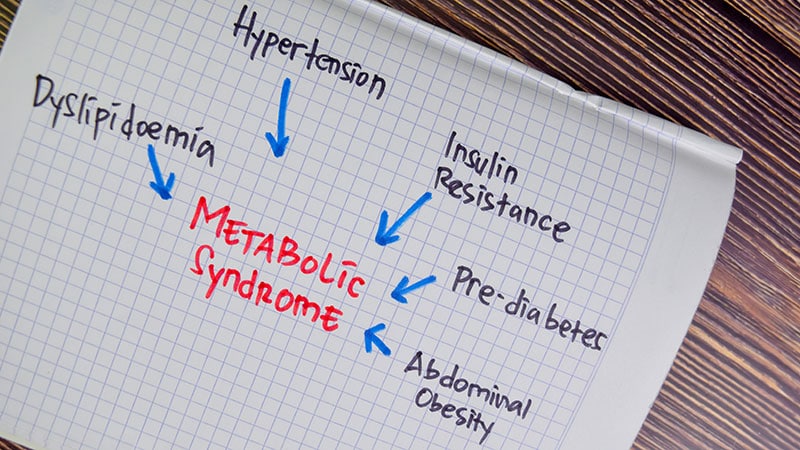
The syndrome (defined by ATP III criteria) can predict increased cardiovascular and mortality risk or not, depending on which three of five risk factors contributed to the diagnosis, a cohort study suggests; its investigators caution that their observations are only preliminary.
Join Drs Valentin Fuster, Roger Blumenthal, Bob Harrington, Judith Hochman, Sanjay Kaul, Suzanne Oparil, Gregg Stone, Lynne Warner Stevenson, and Bruce Wilkoff as they discuss the results of ARBITER 6-HALTS, the PLATO STEMI subanalysis, the two CHAMPIONs, and CASCADE and tackle the issue of too little, too soon in clinical trials today.
Raised in a blue-collar neighborhood of Somerville, MA, Dr Bob Harrington was blessed to have a strong family and the Jesuits on his side as he traveled from "Yankee" Boston to Duke University. Join him as he tells his story to Dr Rob Califf.
How do regulatory pathways differ in the US and UK? Drs Harrington, Bhatt, and Cleland share their experiences and offer insight on how to support innovative research.